Organised Crime and Corruption: Cost of Non-Europe Report
Written by Wouter van Ballegooij and Thomas Zandstra, This study demonstrates the need to tackle organised crime and corruption together…
Written by Wouter van Ballegooij and Thomas Zandstra,
This study demonstrates the need to tackle organised crime and corruption together as the two are in a mutually reinforcing relationship. Organised crime groups attempt to regulate and control the production and distribution of a given commodity of service unlawfully. In so doing, their aim is to bend the rules in their favour by corrupting officials. Corruption undermines the rule of law, which in turn provides more opportunities for organised criminals to expand their control over the legal economy and politics or even to take over governance tasks in regions and communities.
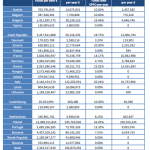
Given their illicit nature and the need to interpret the available criminal justice data within a broader setting, the impact of organised crime and corruption is hard to measure. Within this context it is difficult to estimate with a sufficient degree of certainty an overall Cost of Non-Europe in this policy field. This study does, however, provide scenarios showing the cost of corruption to the European economy. The scenario deemed most feasible by us points to an economic loss in terms of GDP of between 218 and 282 billion euro annually. The study also builds on existing estimates of the size of illicit markets representing a value of around 110 billion euro and points to the significant social and political costs of organised crime and corruption.
The study seeks to establish the potential benefits of addressing the gaps and barriers that hinder a more effective fight against organised crime and corruption within the European Union. As combatting organised crime and corruption is a shared competence of the EU and its Member States, our estimates show the potential that could be achieved together by better transposition and enforcement of international and EU norms, filling the outstanding legislative gaps and improving the policy making process and operational cooperation between authorities. Where possible, the benefits of specific policy options to overcome gaps and barriers in the current framework have been quantified. The study demonstrates, based on quantified building blocks, that the Cost of Non-Europe in the field of organised crime and corruption is at least 71 billion euro annually.
In addition to the general paper bringing together the research findings as a whole, the exercise comprises three annexes, which are published as separate documents:
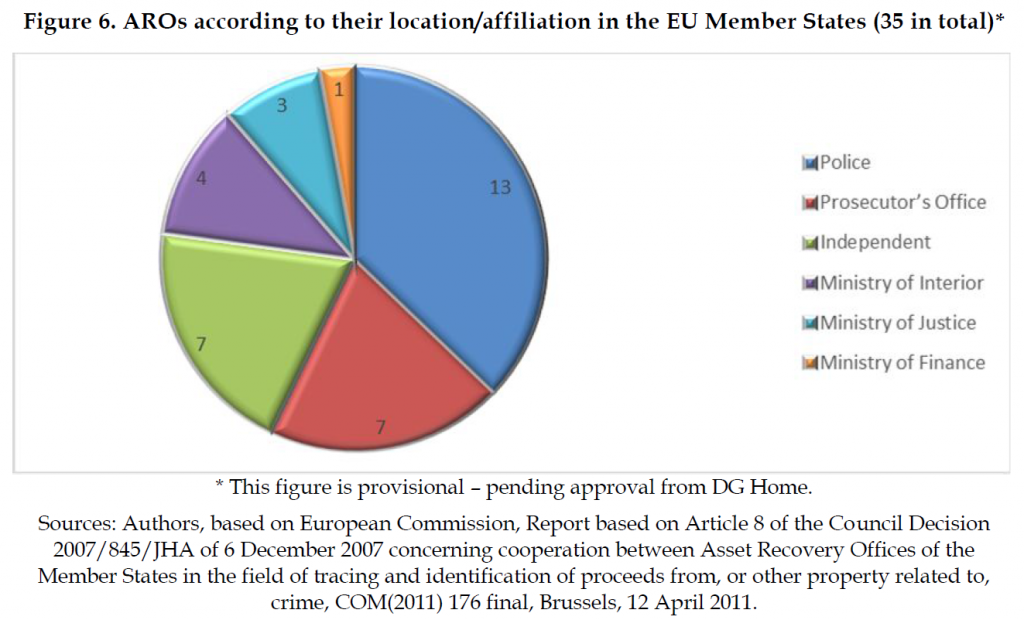
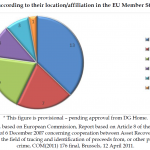
AROs according to their location-affiliation in the EU Member States (35 in total)
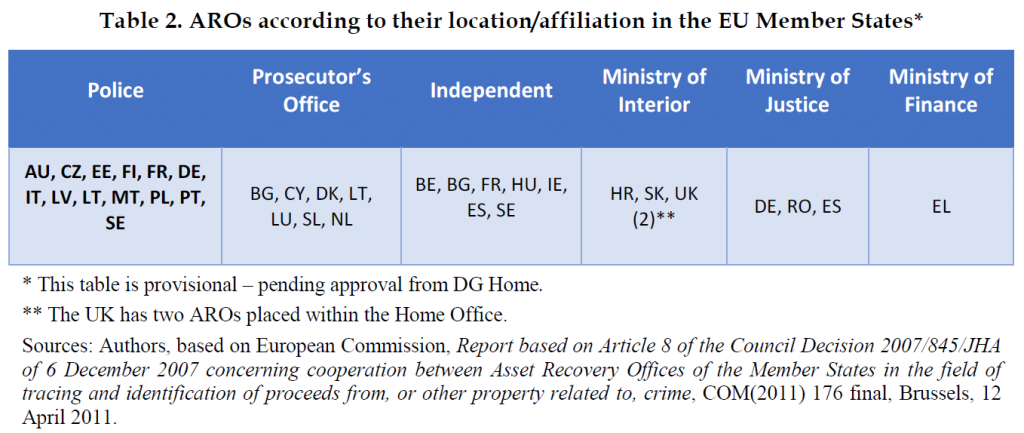
AROs according to their location-affiliation in the EU Member States
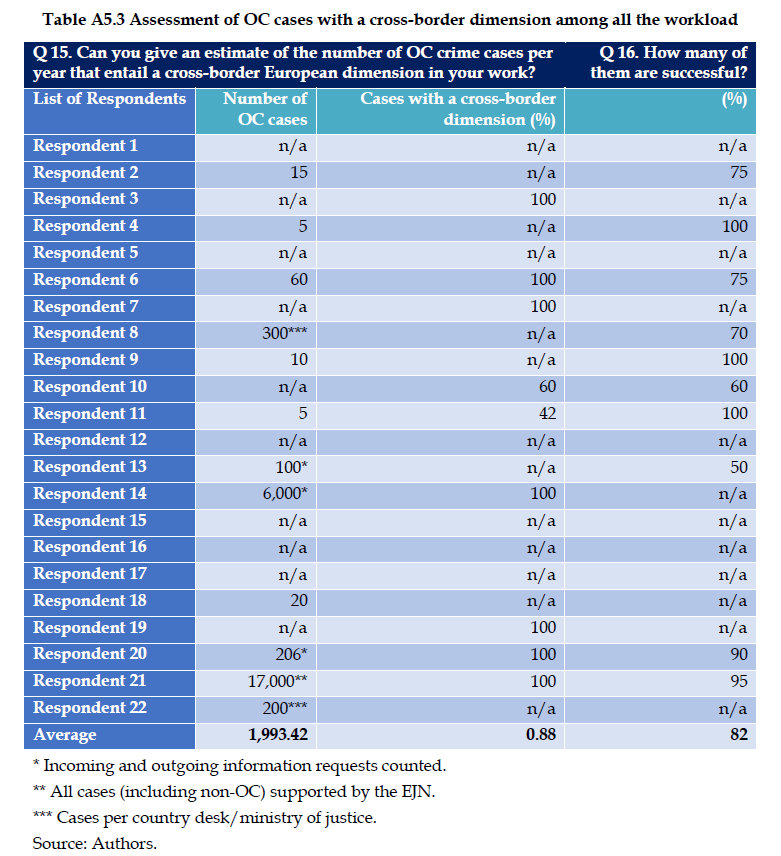
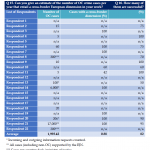
Assessment of OC cases with a cross-border dimension among all the workload
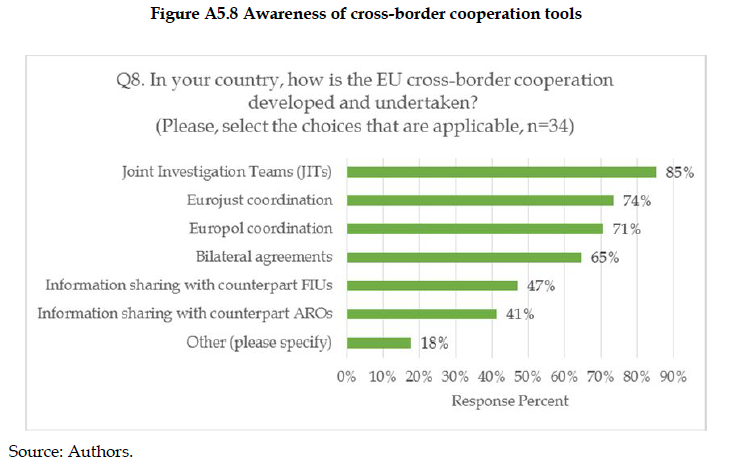
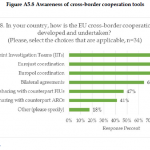
Awareness of cross-border cooperation tools
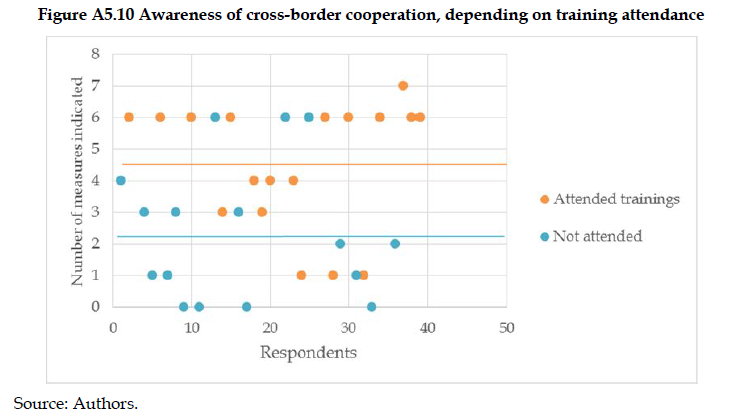
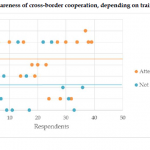
Awareness of cross-border cooperation, depending on training attendance
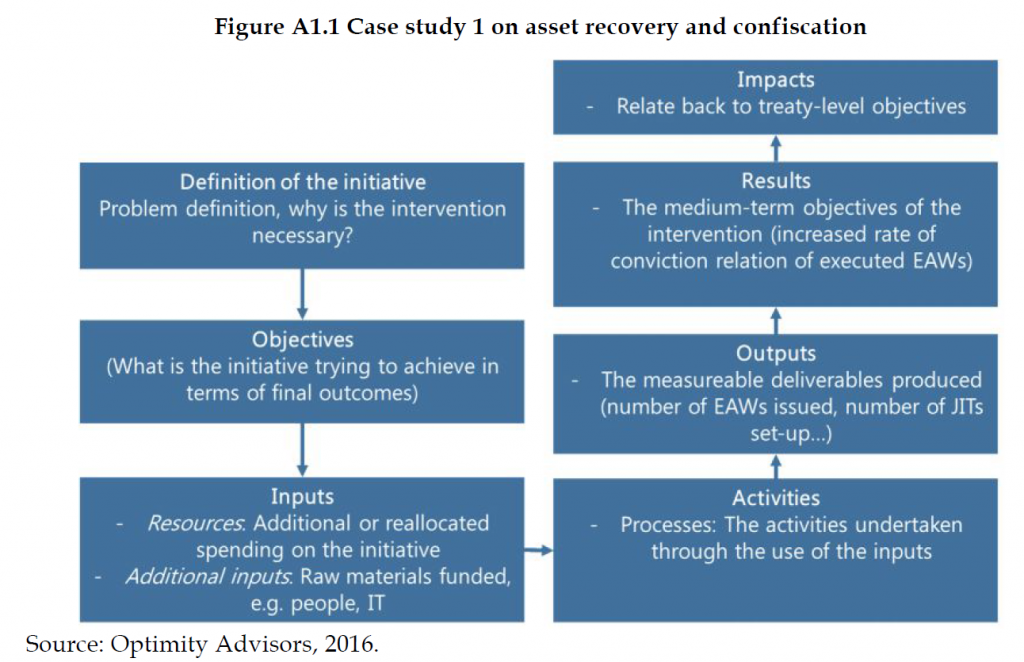
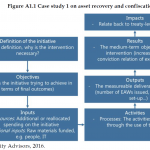
Case study 1 on asset recovery and confiscation
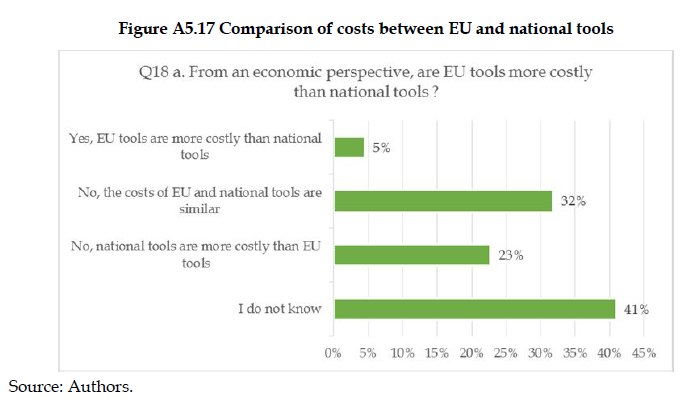
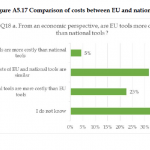
Comparison of costs between EU and national tools
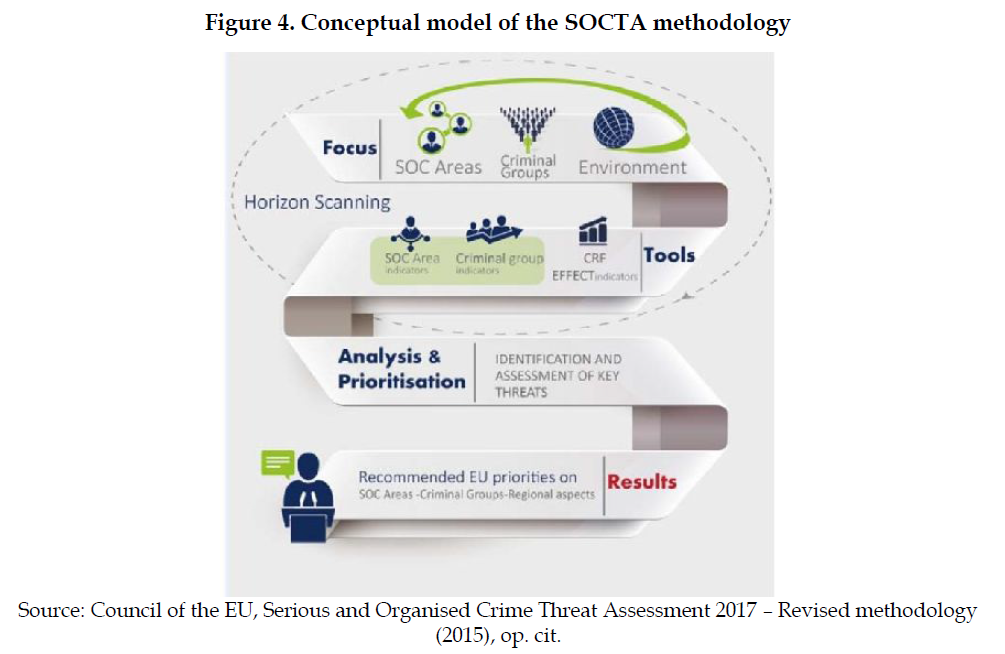
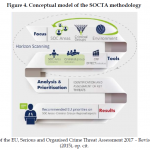
Conceptual model of the SOCTA methodology
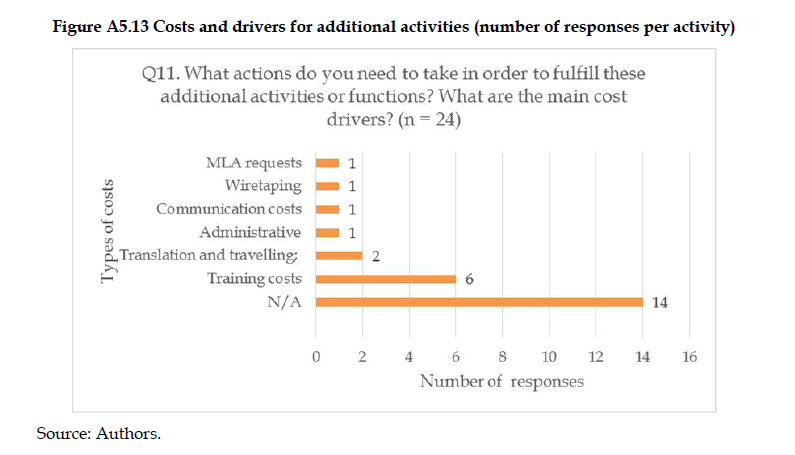
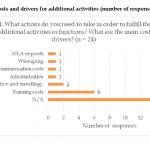
Cost and drivers for additional activities (number of responses per activity)
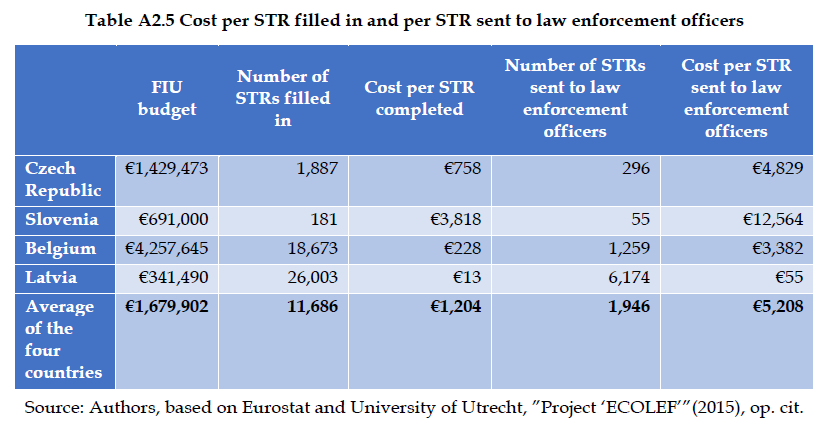
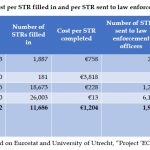
Cost per STR filled in and per STR sent to law enforcement officers
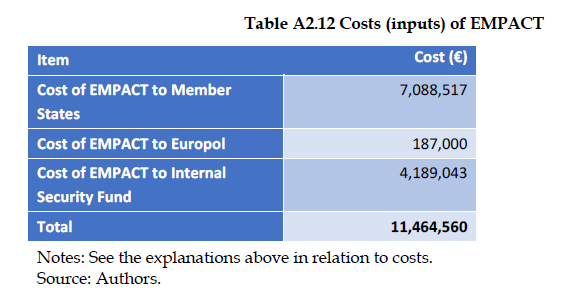
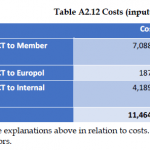
Costs (inputs) of EMPACT
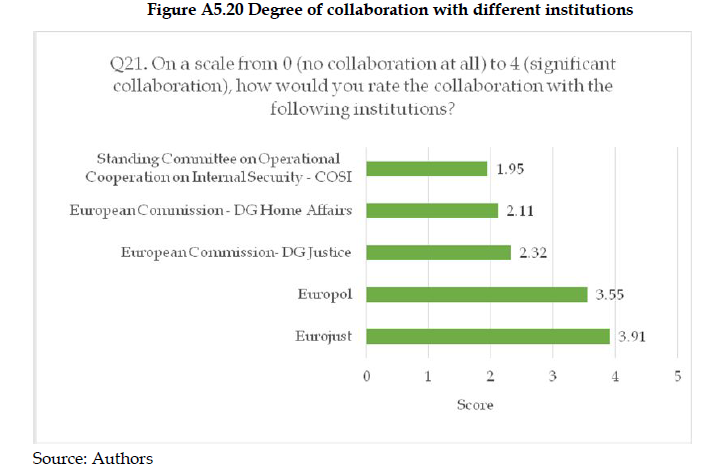
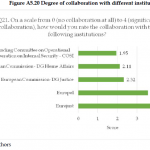
Degree of collaboration with different institutions
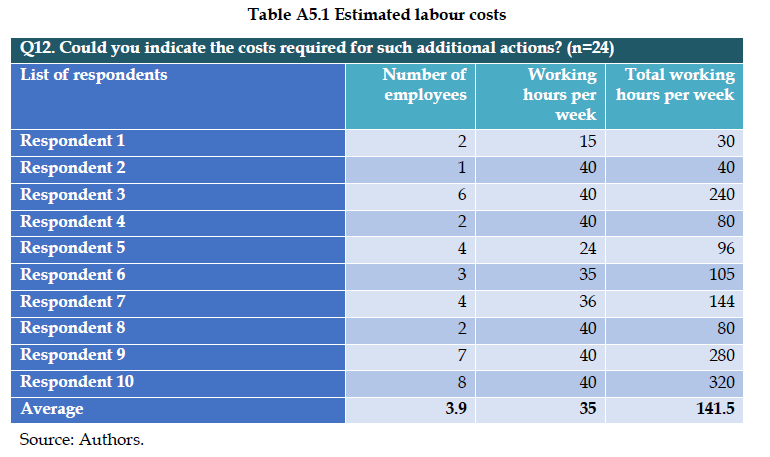
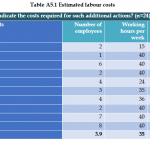
Estimated labour costs
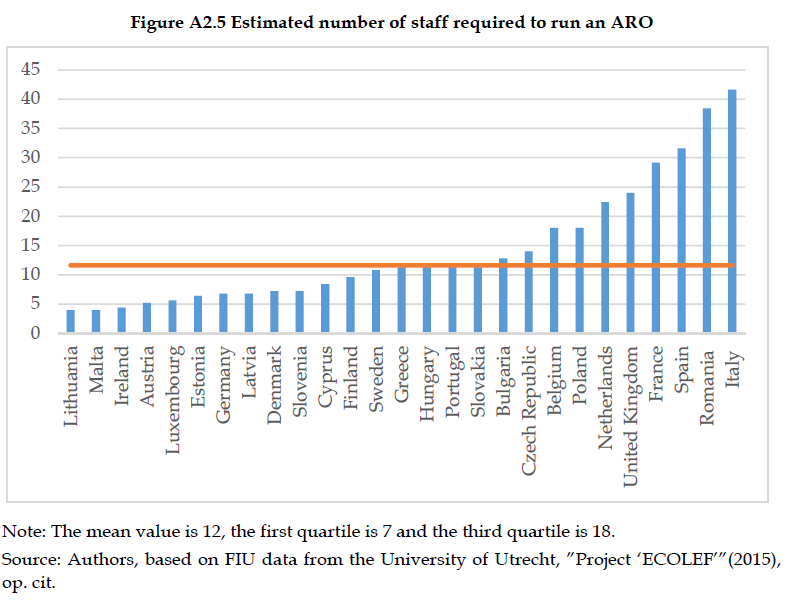
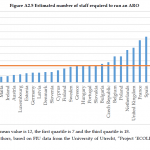
Estimated number of staff required to run an ARO
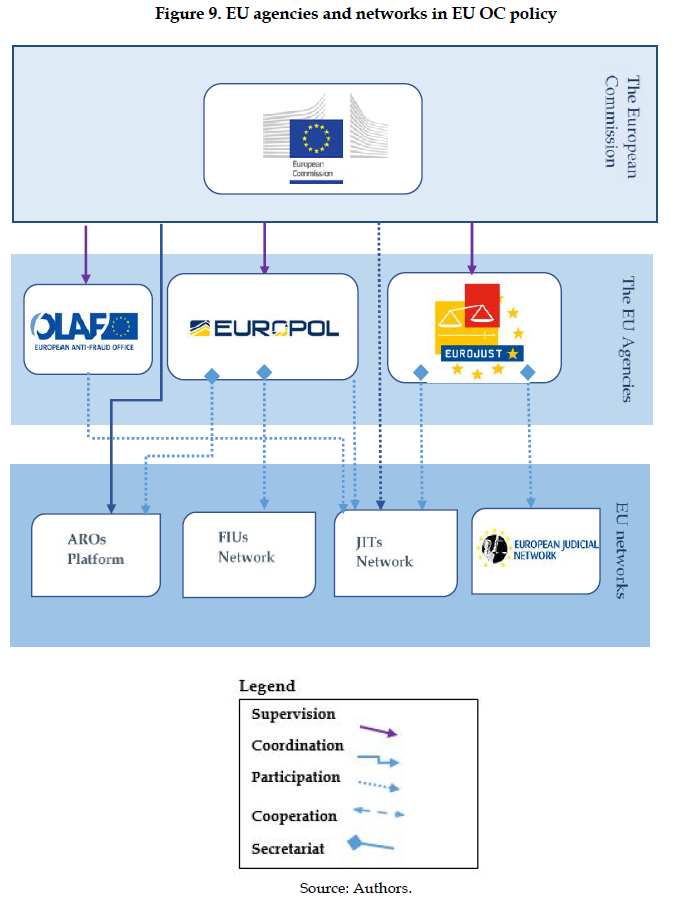
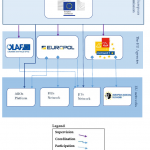
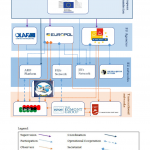
EU agencies and networks in EU OC policy
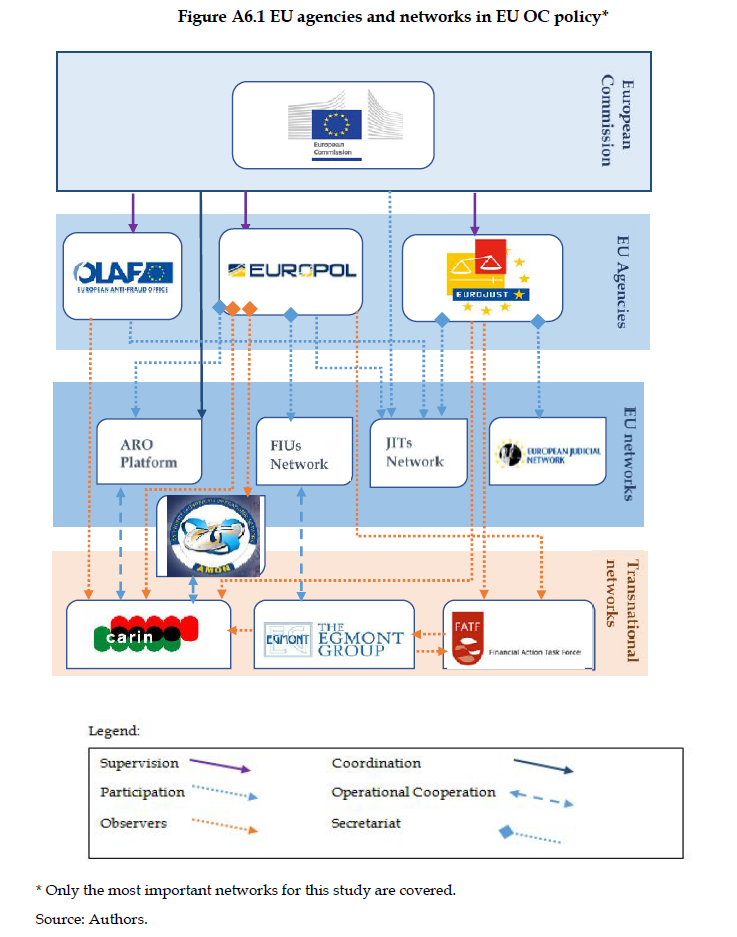
EU agencies and networks in EU OC policy
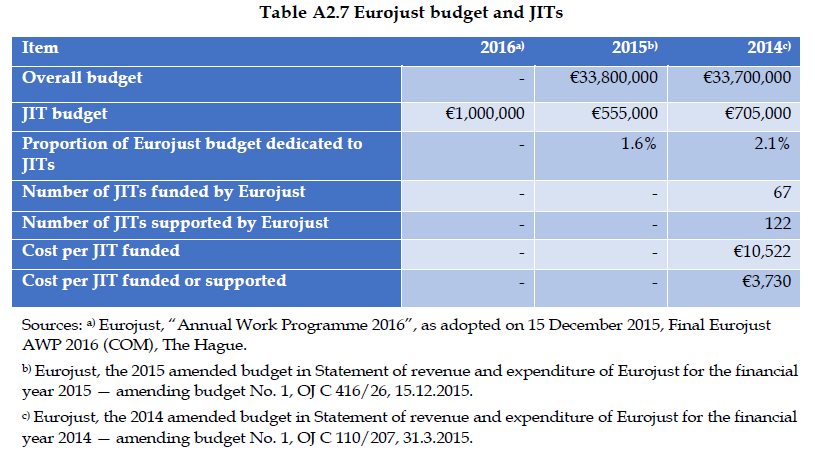
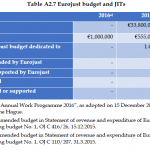
Eurojust budget and JITs
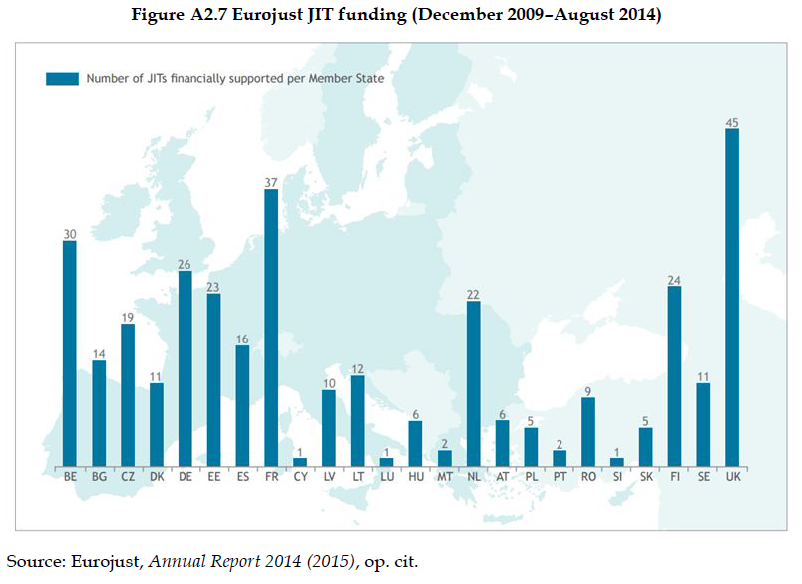
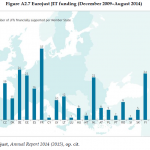
Eurojust JIT funding (December 2009-August 2014)
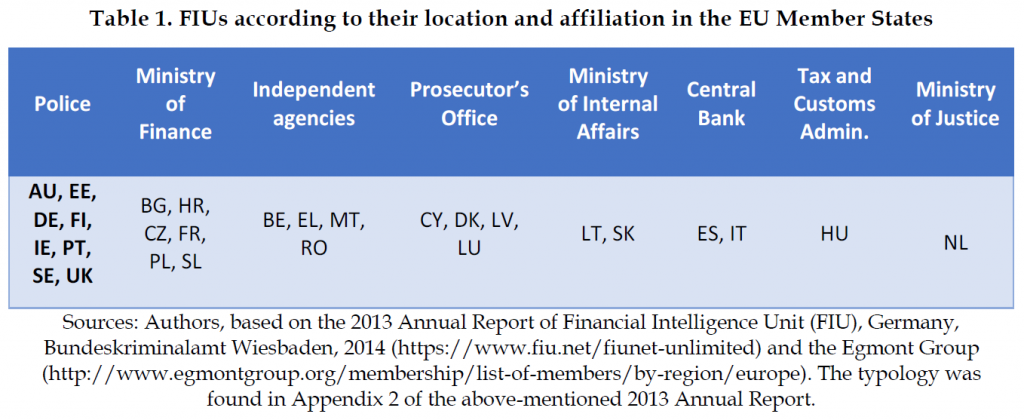
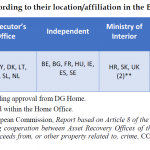
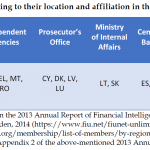
FIUs according to their location and affiliation in the EU Member States
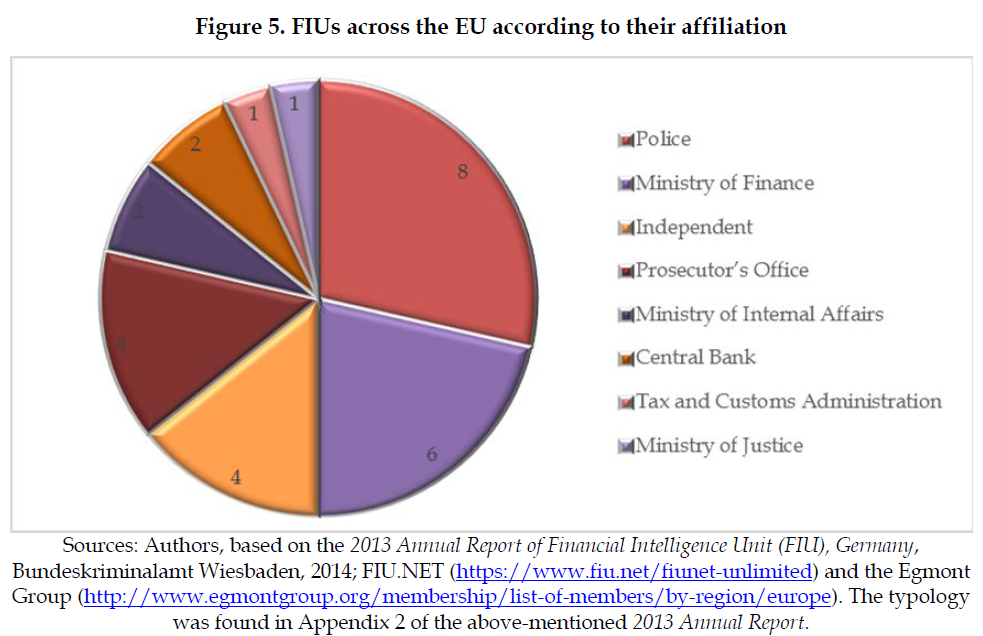
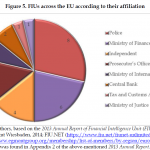
FIUs across the EU according to their affiliation
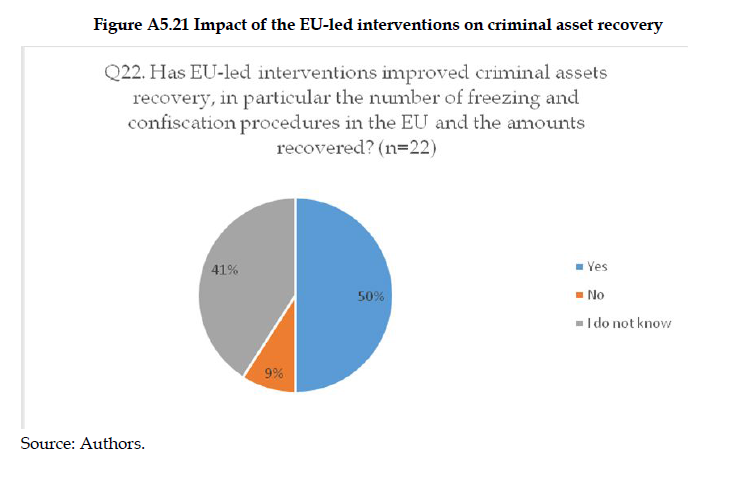
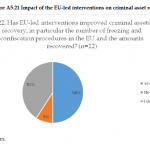
Impact of the EU-led intervantions on criminal asset recovery
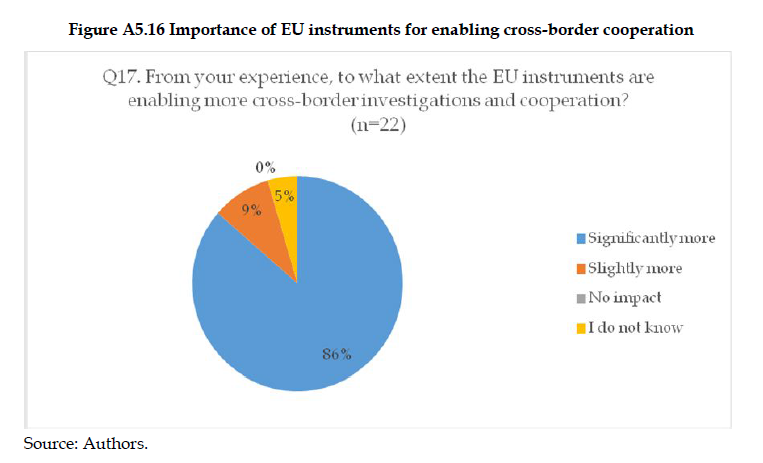
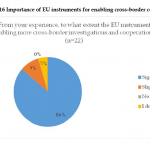
Importance of EU instruments for enabling cross-border cooperation
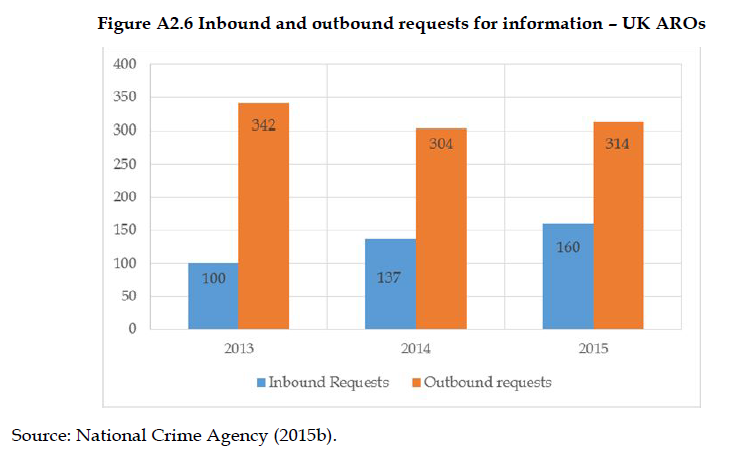
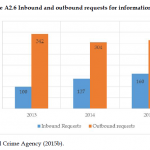
Inbound and outbound requests for information – UK AROs
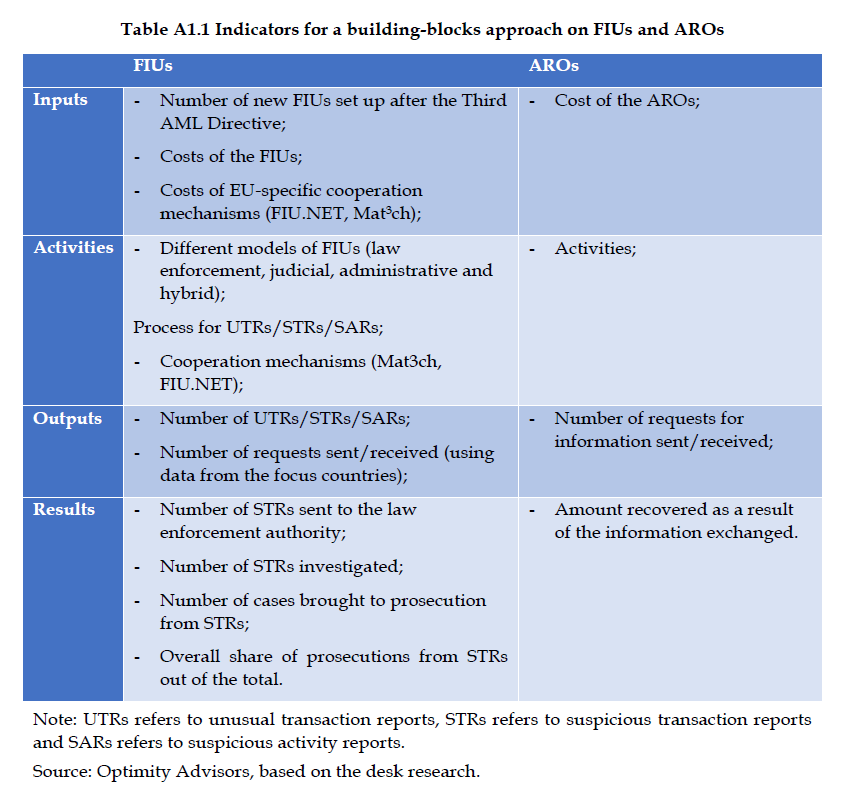
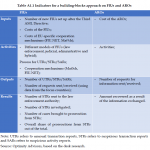
Indicators for a building-blocks approach on FIUs and AROs
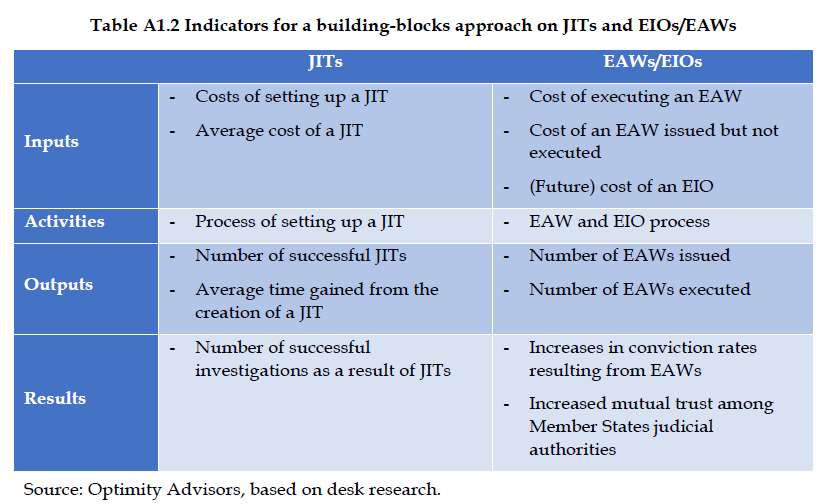
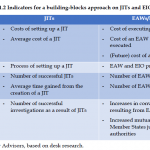
Indicators for a building-blocks approach on JITs and EIOs-EAWs
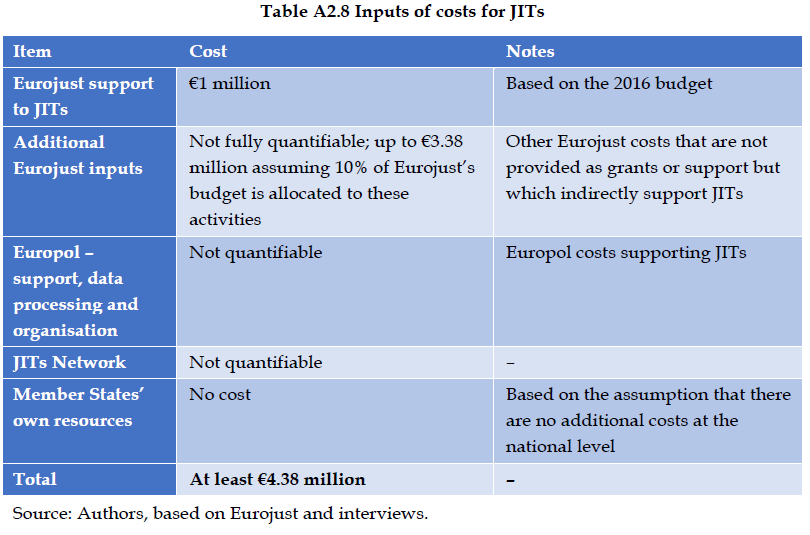
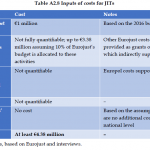
Inputs of costs for JITs
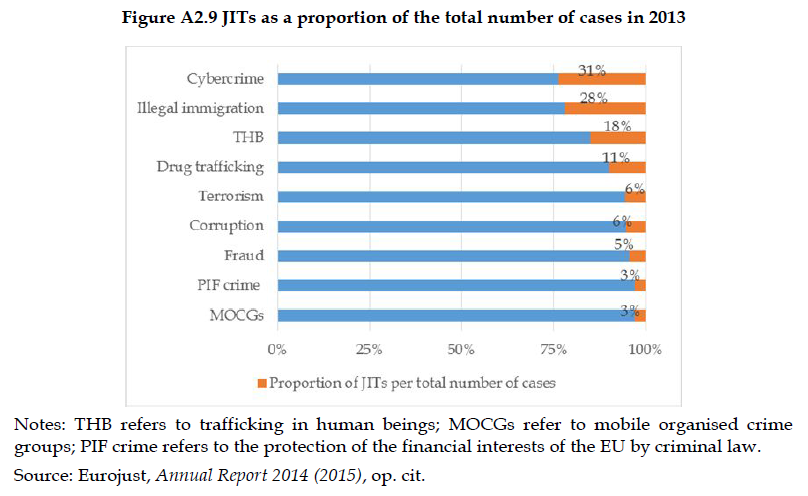
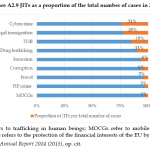
JITs as a proportion of the total number of cases in 2013
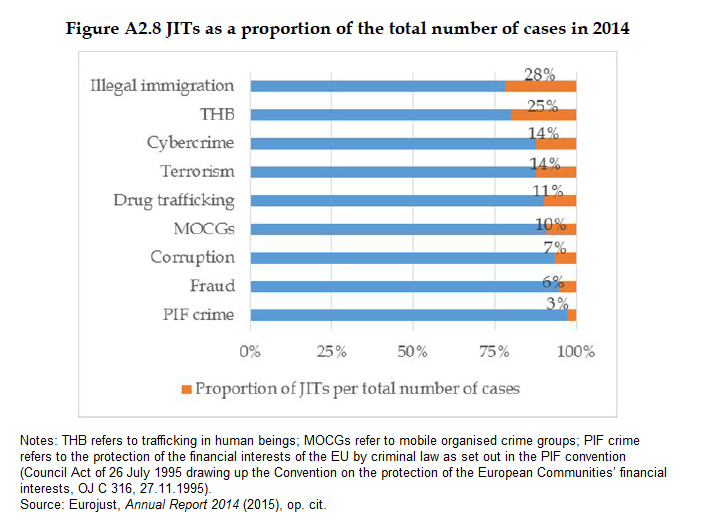
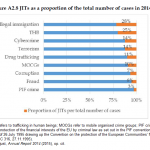
JITs as a proportion of the total number of cases in 2014
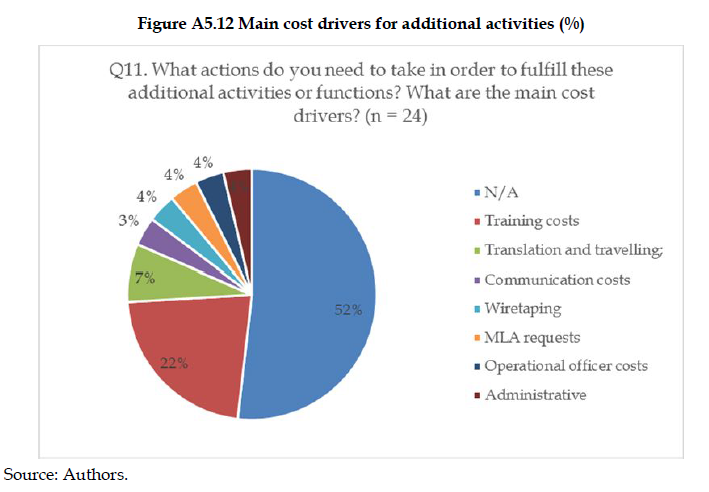
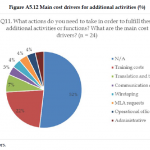
Main cost drivers for additional activities (%)
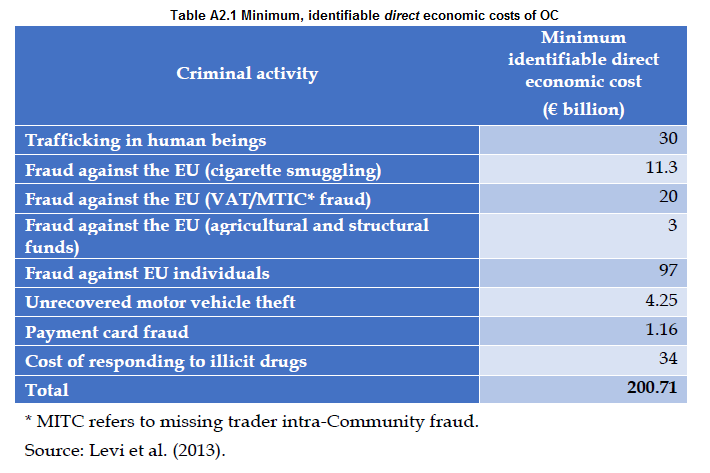
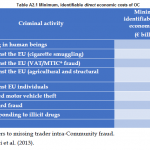
Minimum identifiable direct economic costs of OC
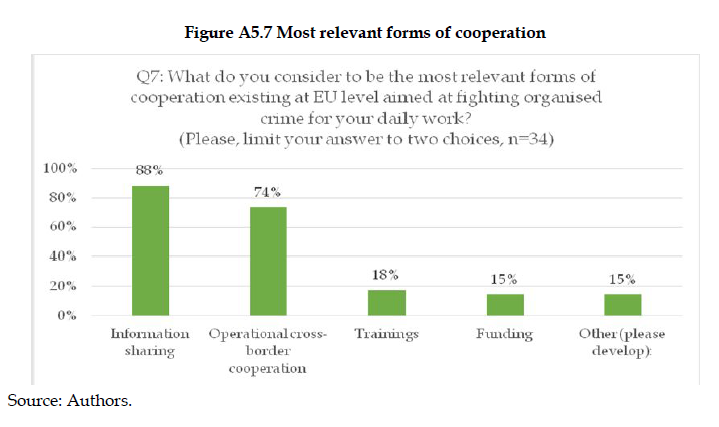
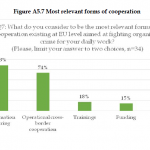
Most relevant forms of cooperation
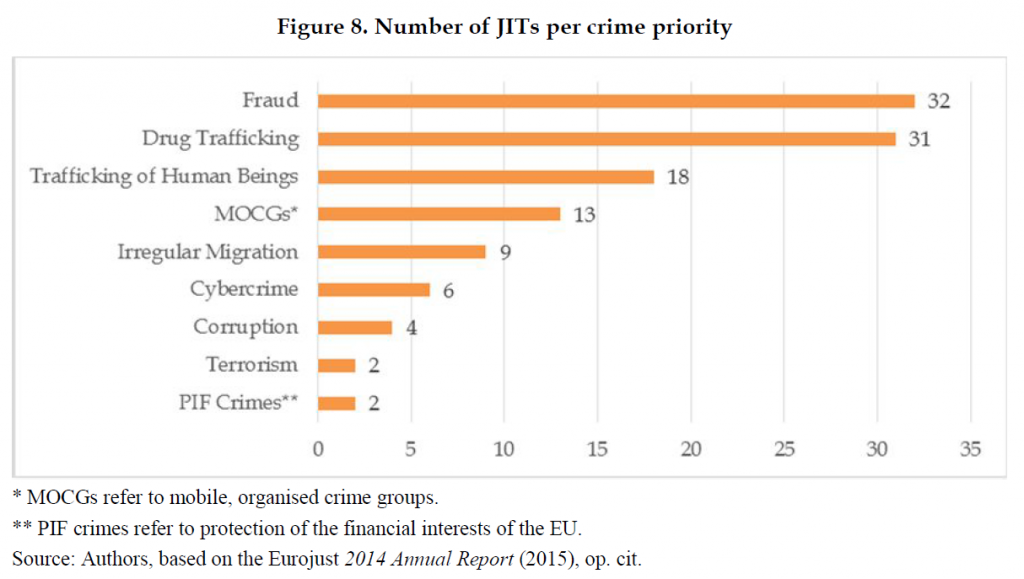
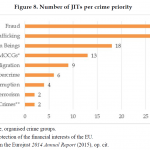
Number of JITs per crime priority
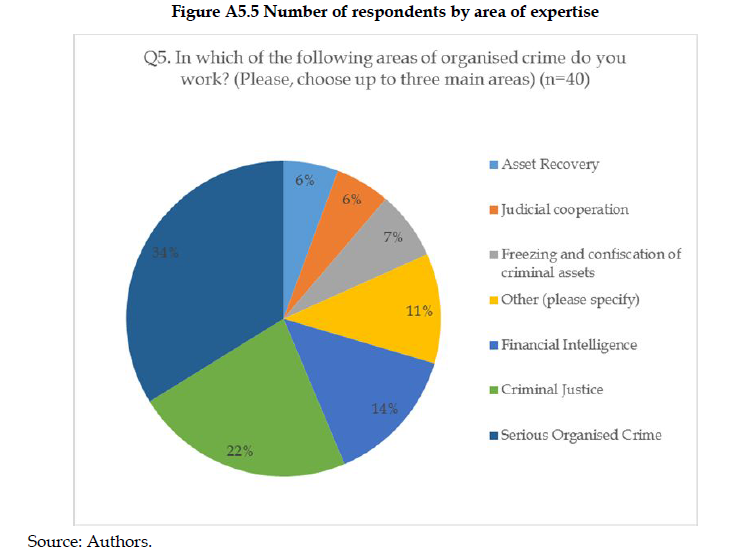
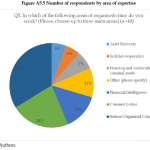
Number of respondents by area of expertise
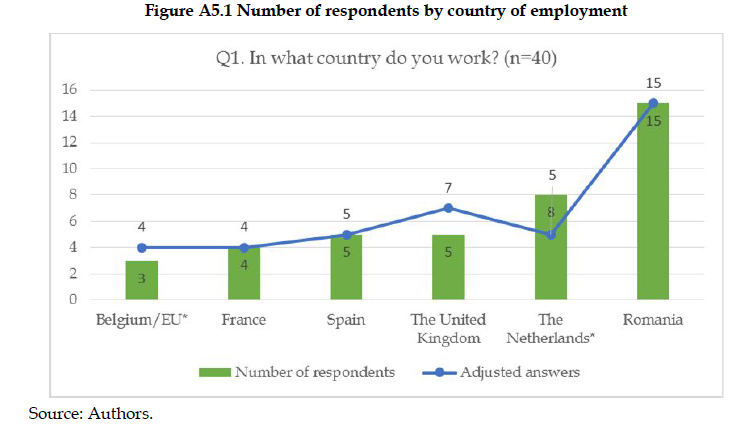
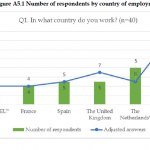
Number of respondents by country of employment
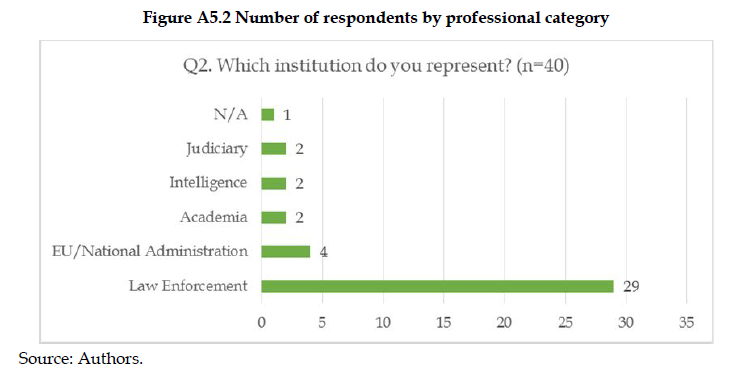
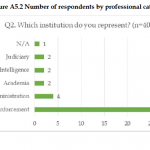
Number of respondents by professional category
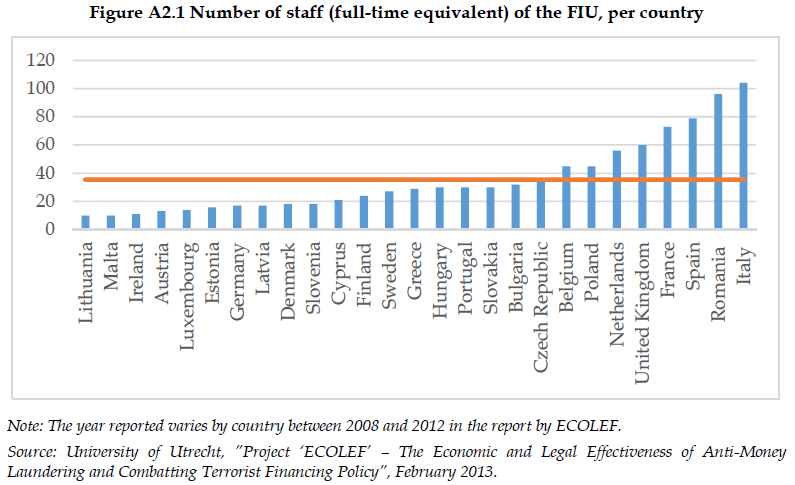
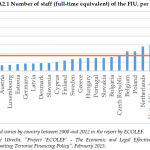
Number of staff (full-time equivalent) of the FIU, per country
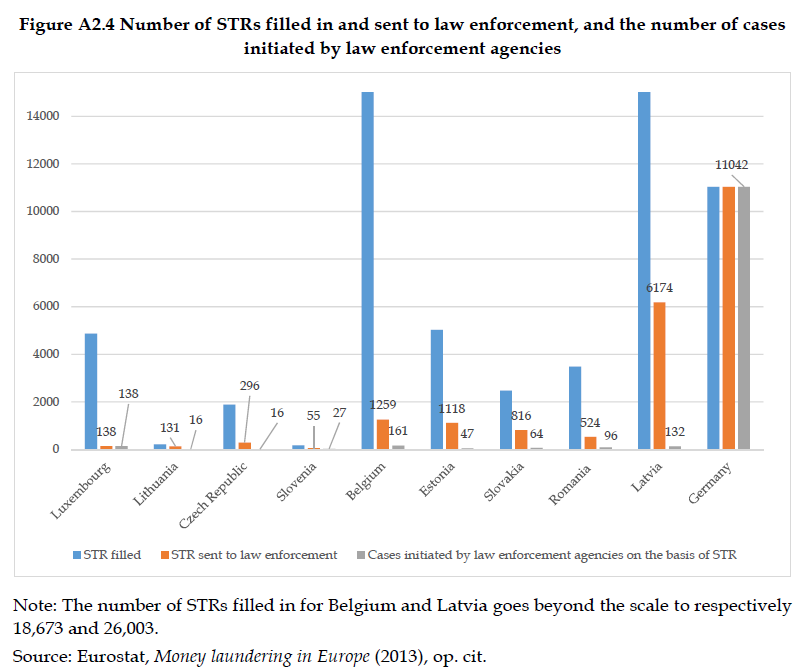
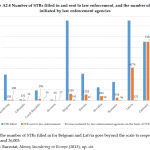
Number of STRs filled in and sent to law enforcement and the number of cases initiated by law enforcement agencies
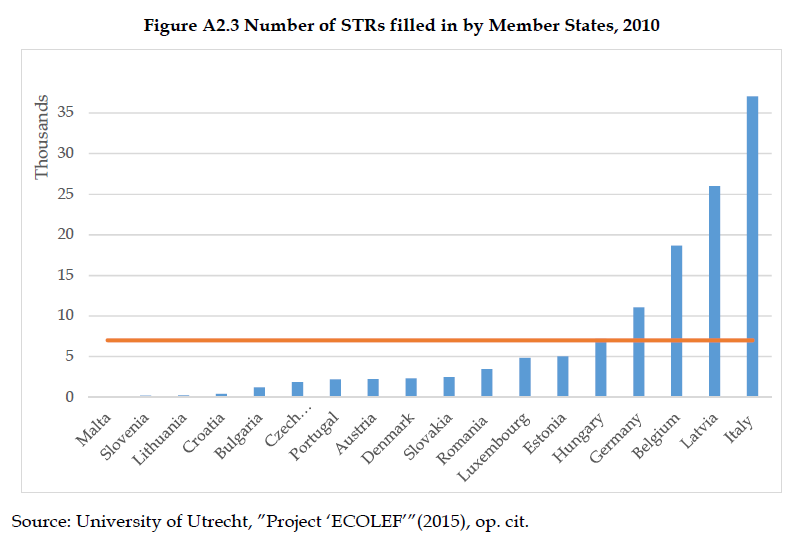
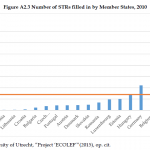
Number of STRs filled in by Member States, 2010
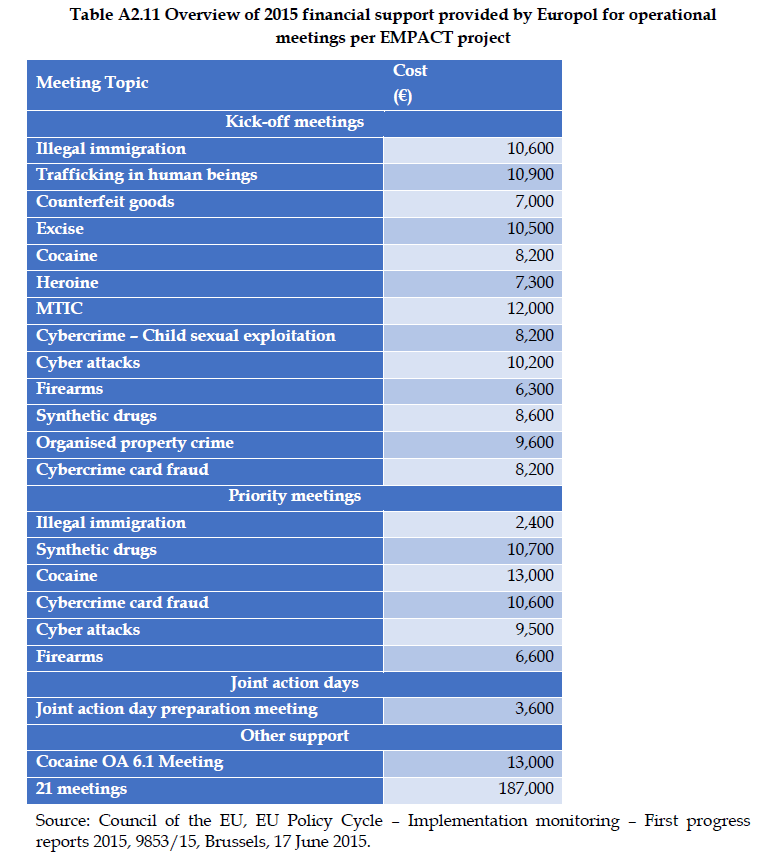
Overview of 2015 financial support provided by Europol for operational meetings per EMPACT project
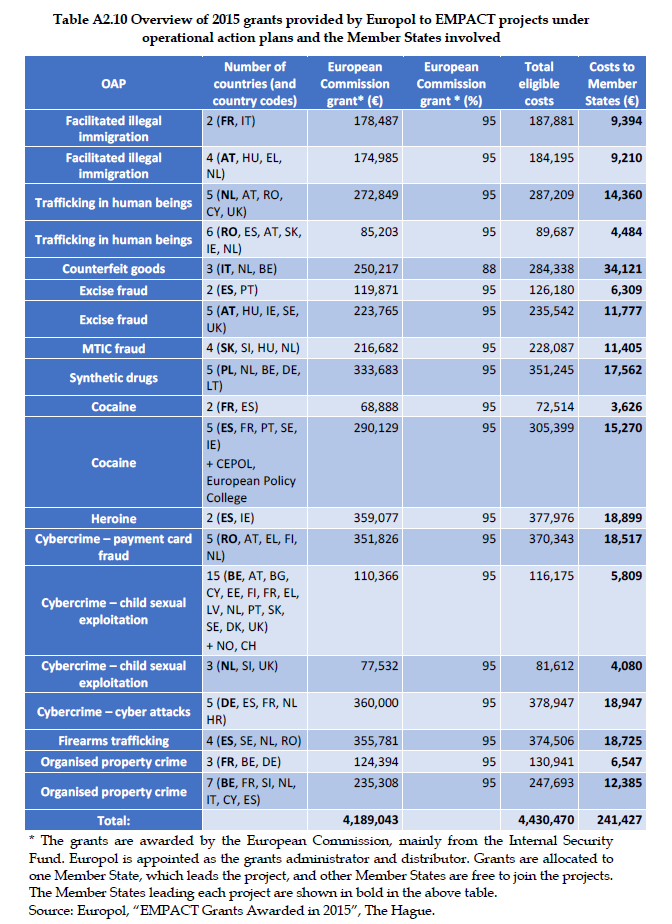
Overview of 2015 grants provided by Europol to EMPACT projects under operational action plans and the Member States involved
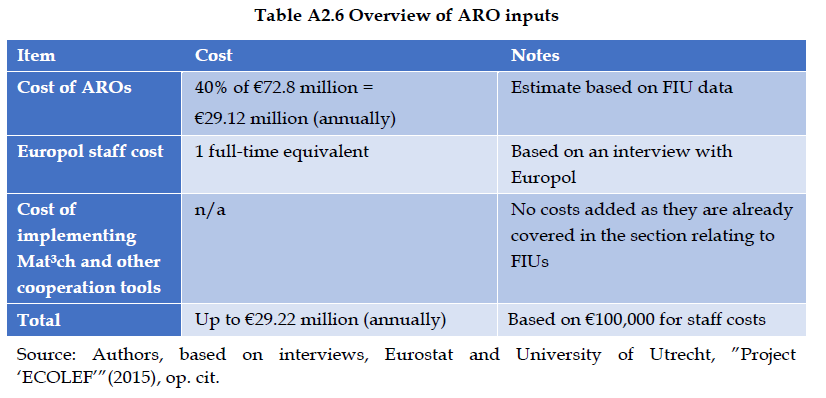
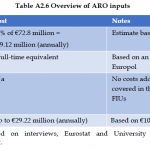
Overview of ARO inputs
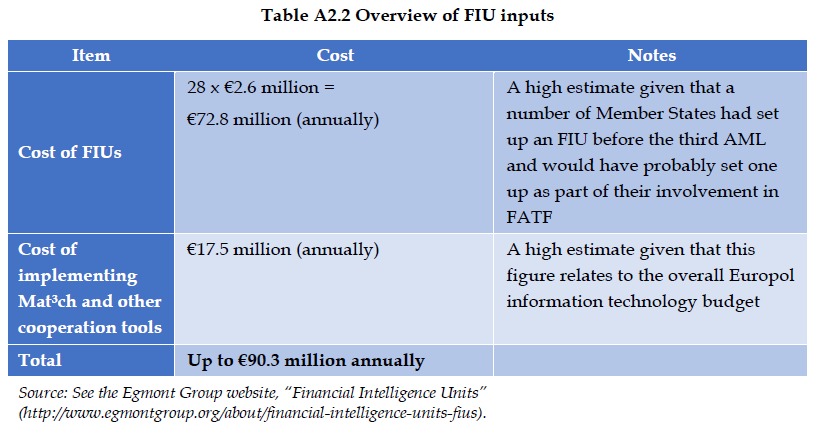
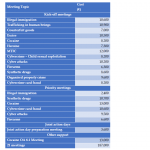
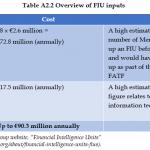
Overview of FIU inputs
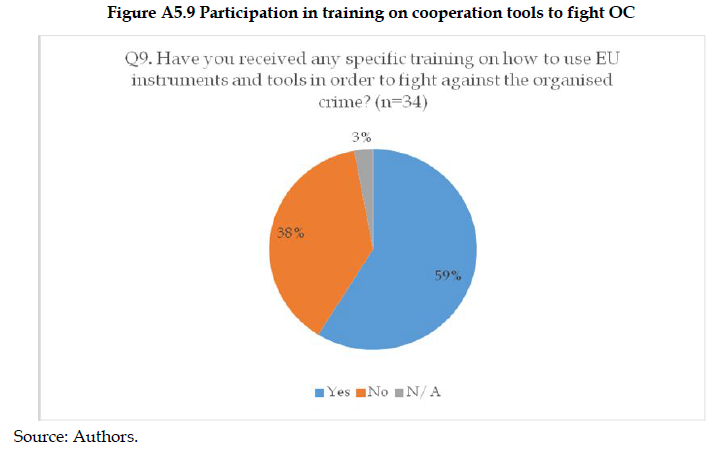
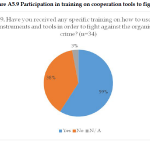
Participation in training on cooperation tools to fight OC
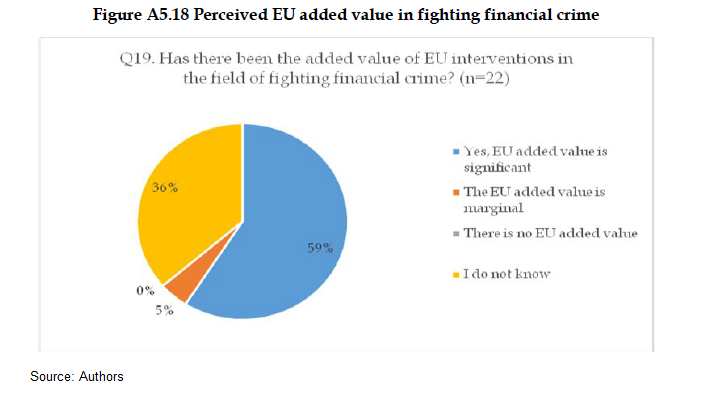
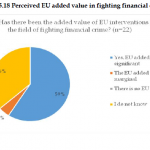
Perceived added value in fighting financial crime
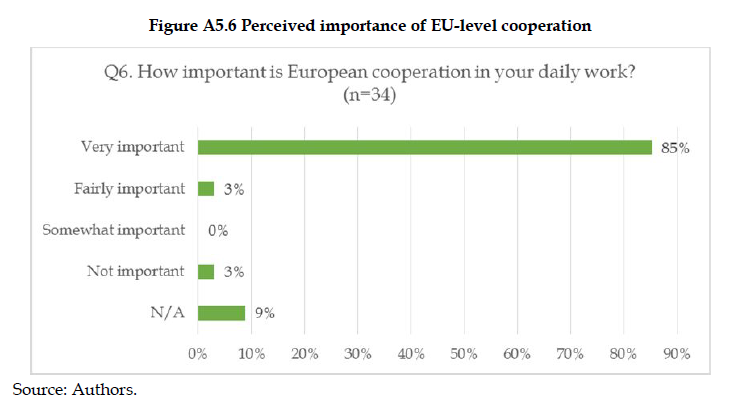
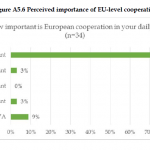
Perceived importance of EU-level cooperation
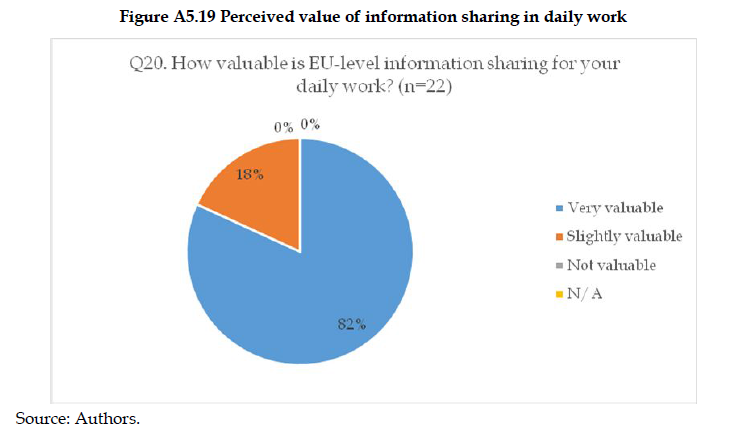
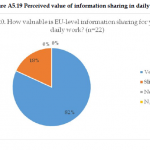
Perceived value of information sharing in daily work
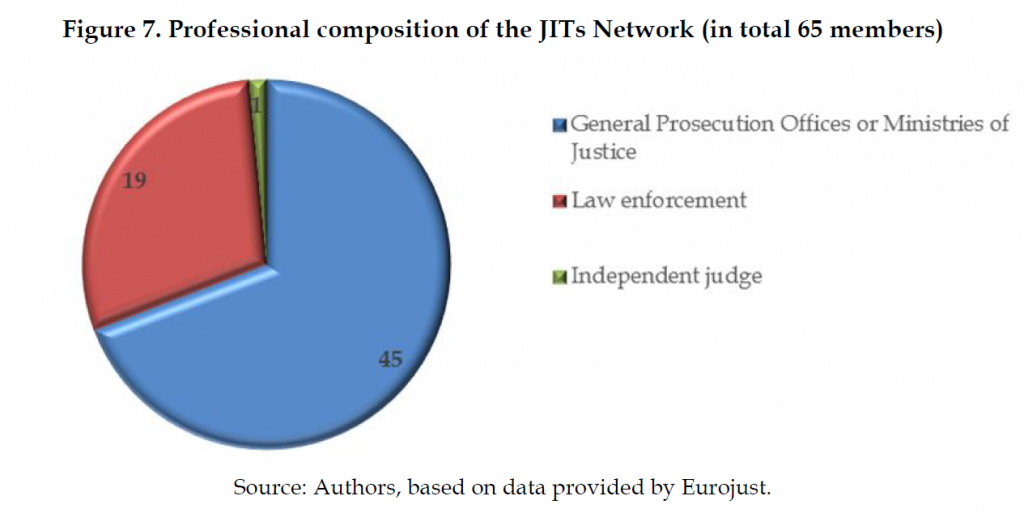
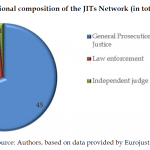
Professional composition of the JITs Network (in total 65 members)
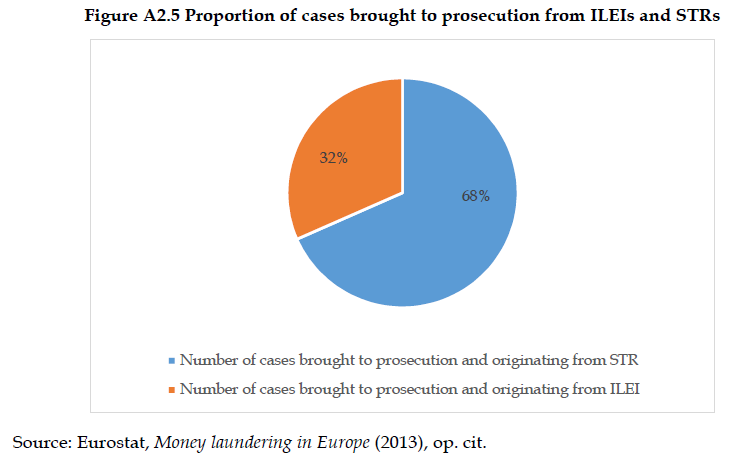
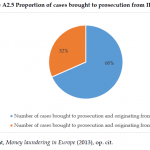
Proportion of cases brought to prosecution from ILEIs and STRs
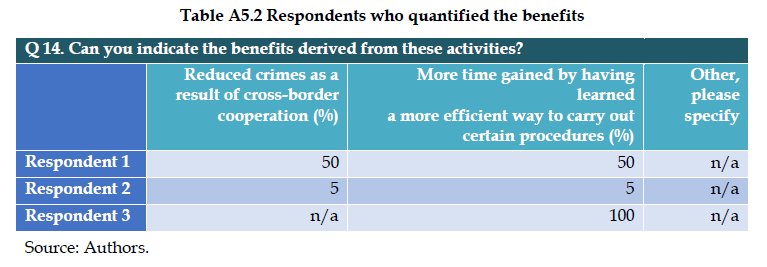
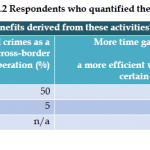
Respondent who quantified the benefits
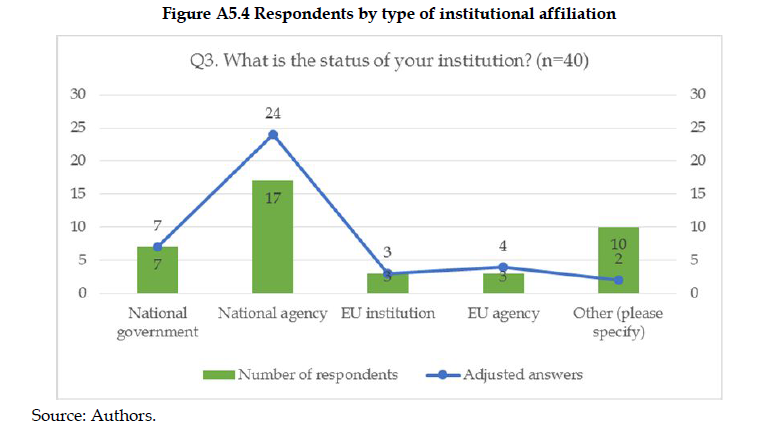
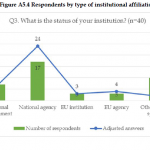
Respondents by type of institutional affiliation
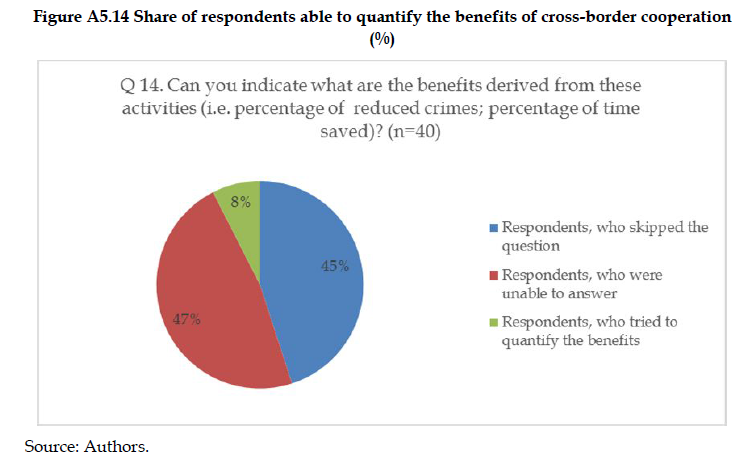
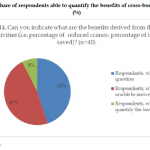
Share of respondents able to quantify the benefits of cross-border cooperation (%)
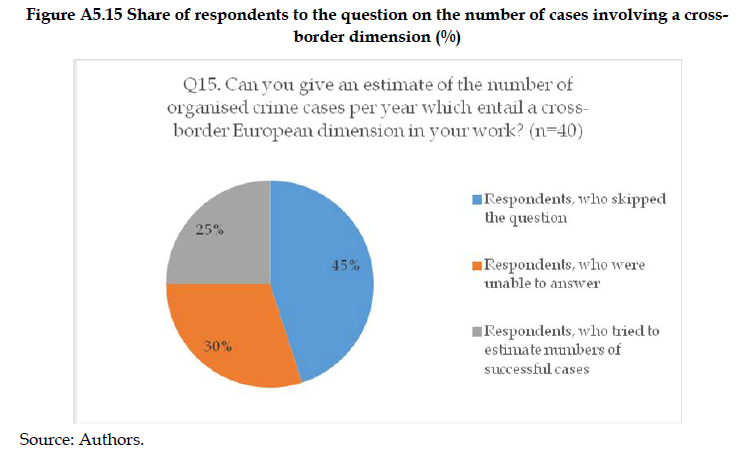
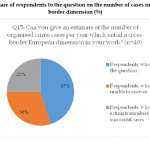
Share of respondents to the question on the number of cases involving a cross-border dimension (%)
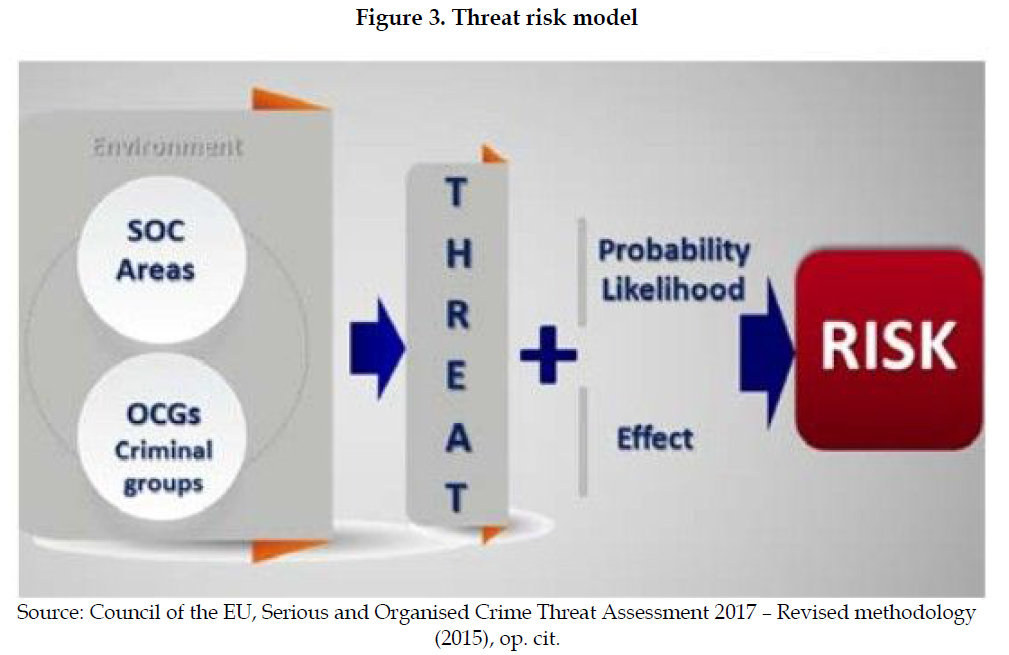
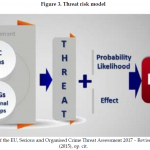
Threat risk model
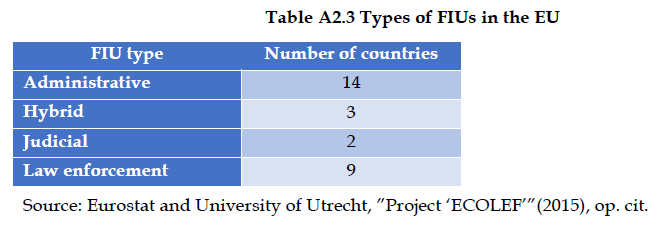
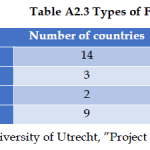
Types of FIUs in the EU
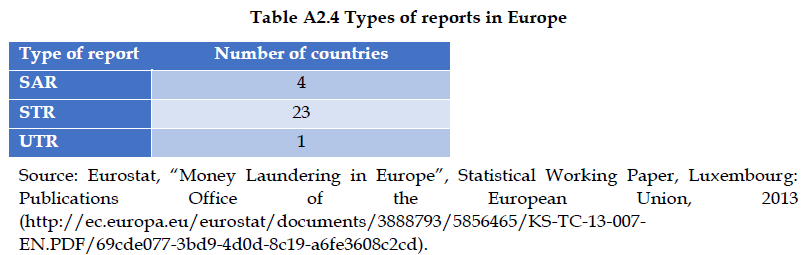
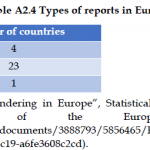
Types of reports in Europe
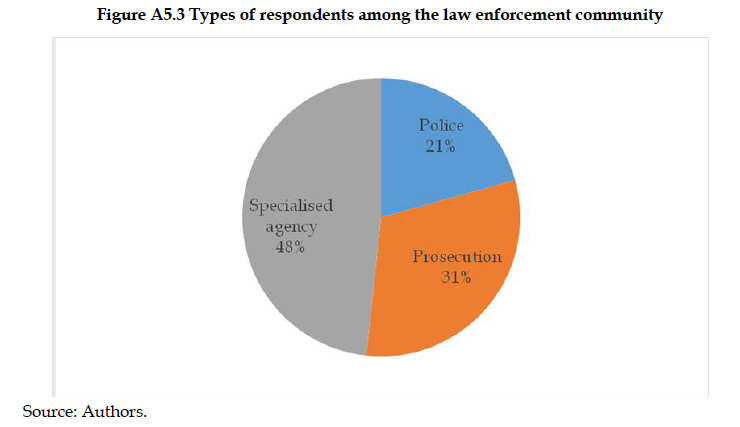
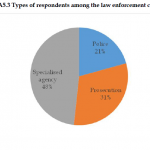
Types of respondents among the law enforcement community
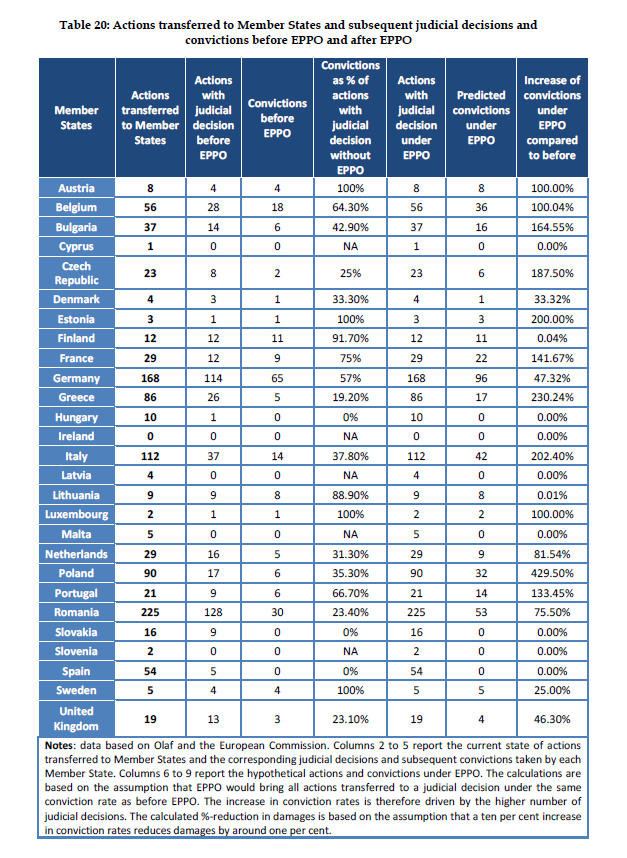
Actions transferred to Member States and subsequent judicial decisions and convictions before EPPO and after EPPO
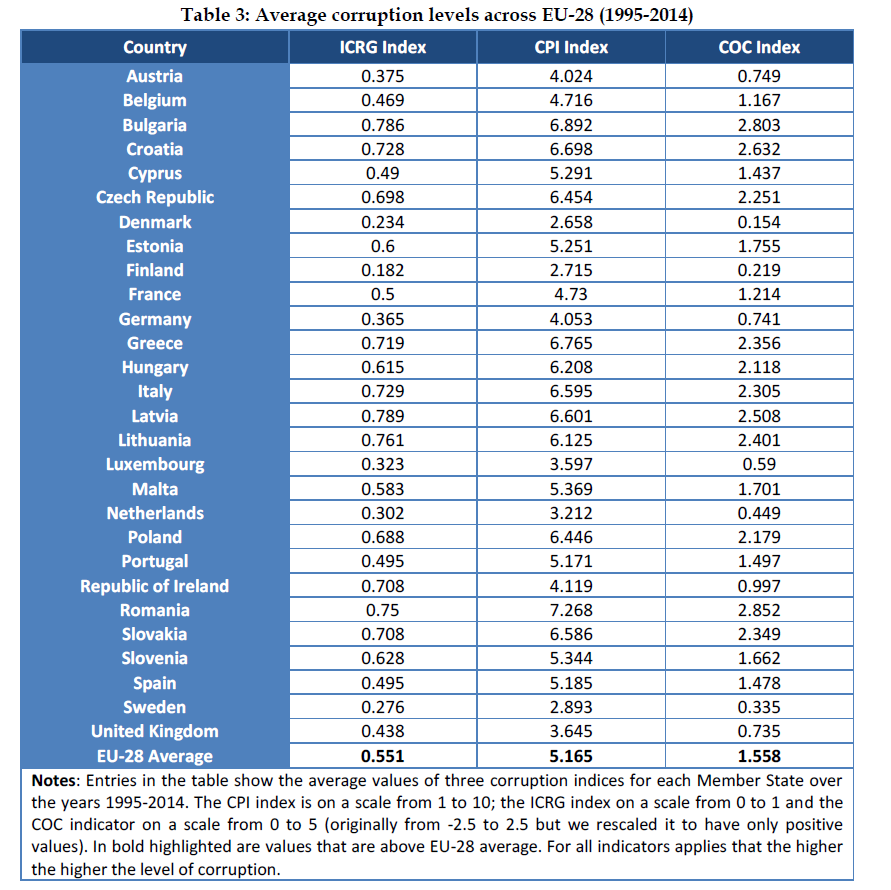
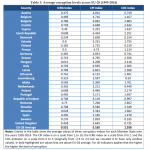
Average corruption levels across EU-28 (1995-2014)
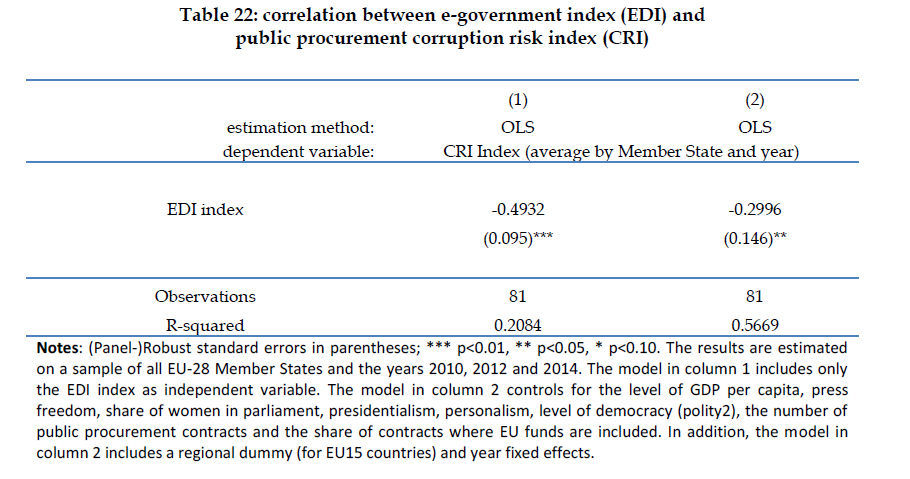
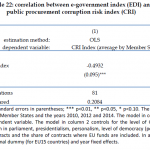
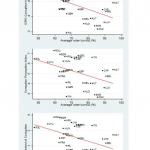
Correlation between e-government index (EDI) and public procurement corruption risk index (CRI)
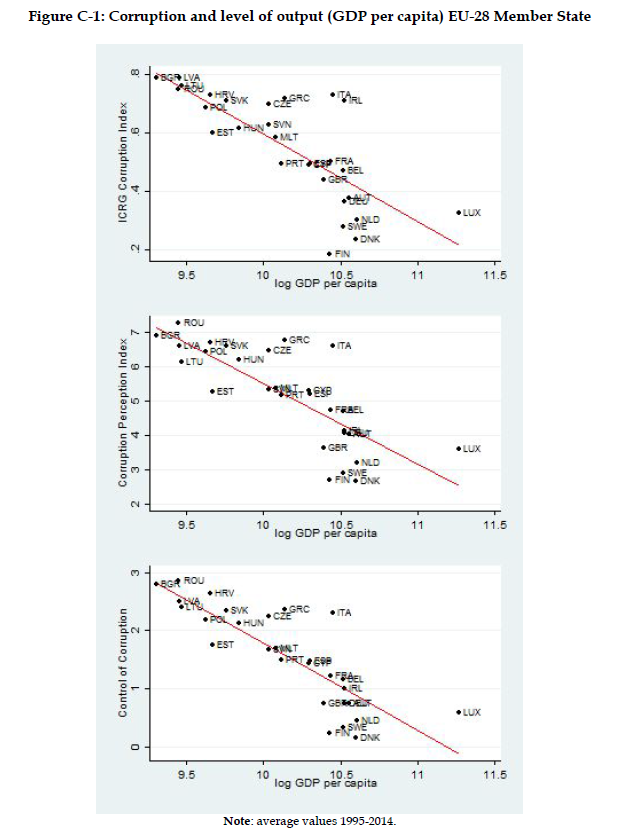
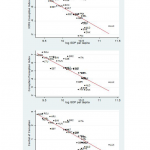
Corruption and level of output (GDP per capita) EU-28 Member State
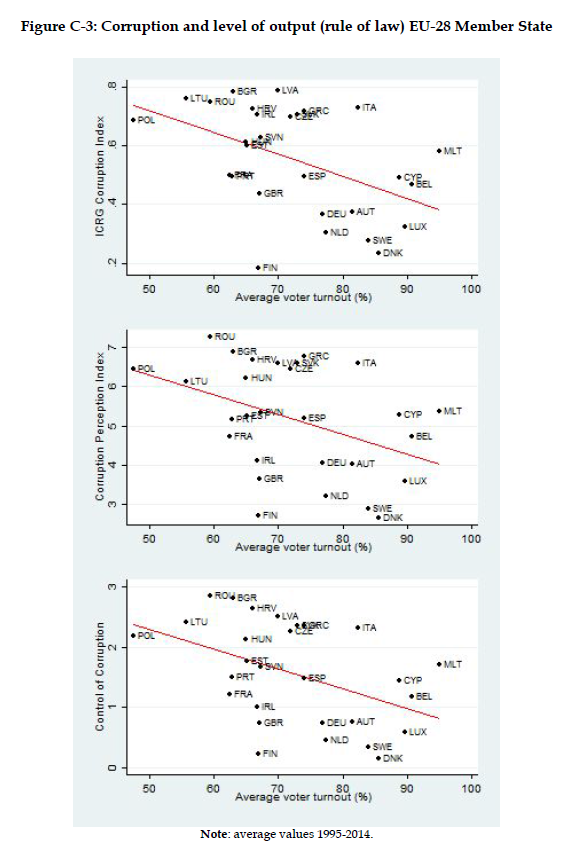
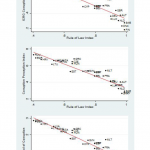
Corruption and level of output (rule of law) EU-28 Member State
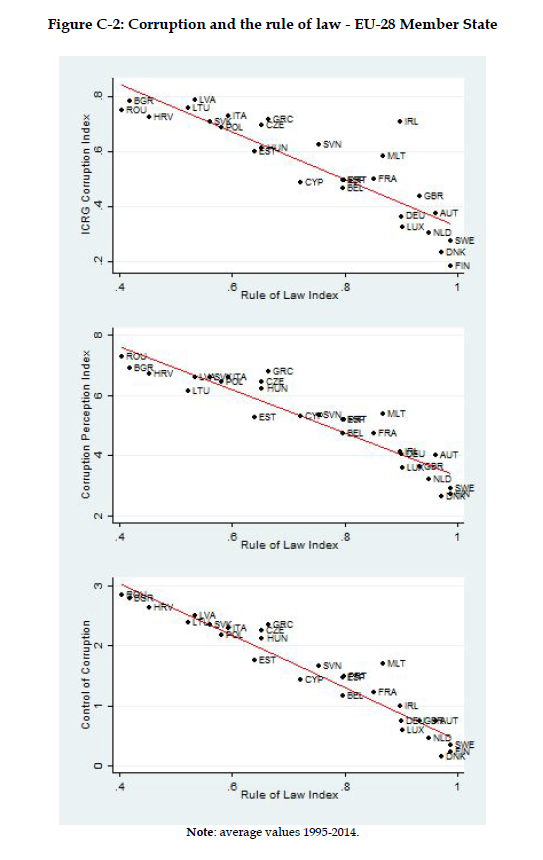
Corruption and the rule of law – EU-28 Member State
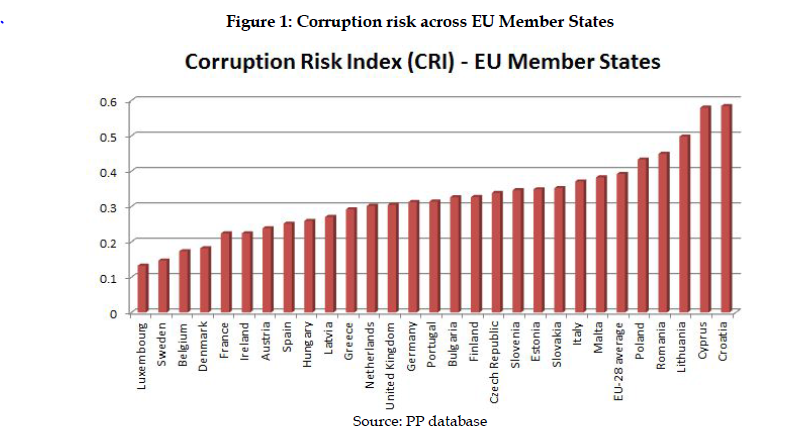
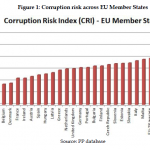
Corruption risk across EU Member States
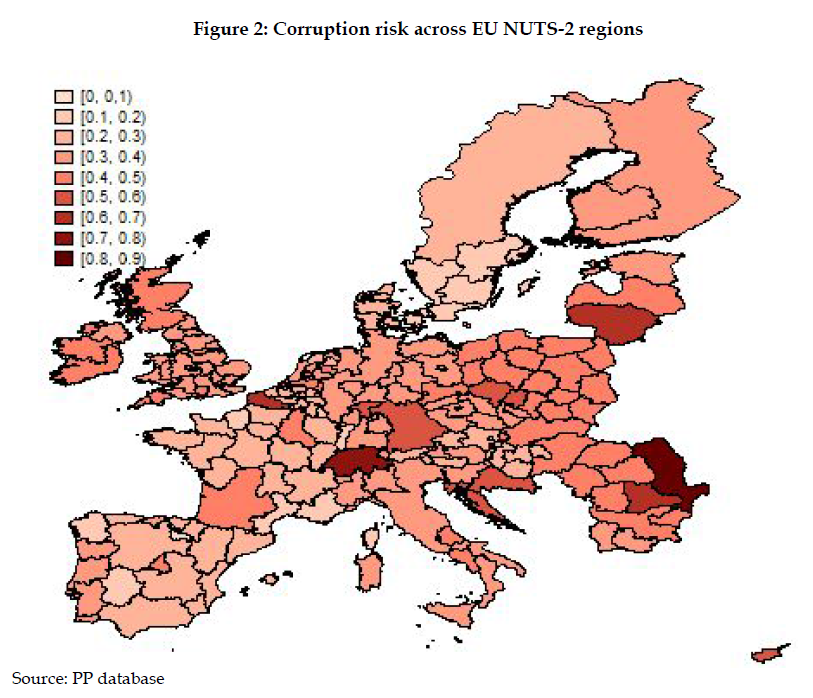
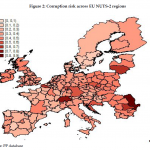
Corruption risk across EU NUTS-2 regions
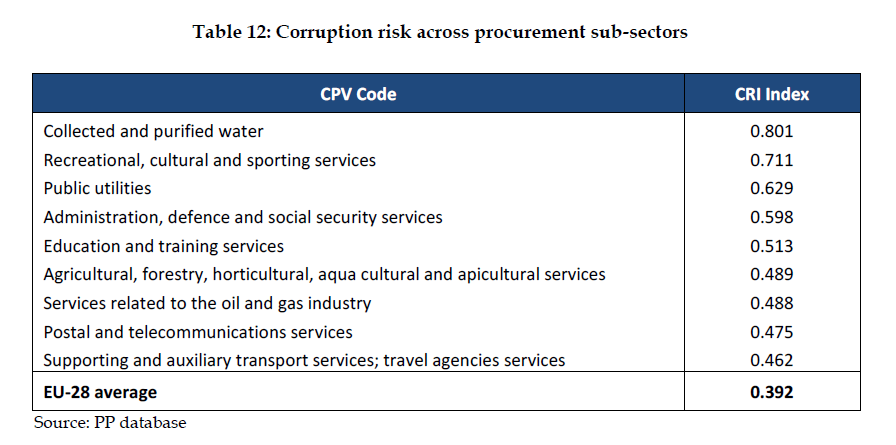
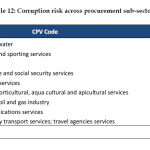
Corruption risk across procurement sub-sectors
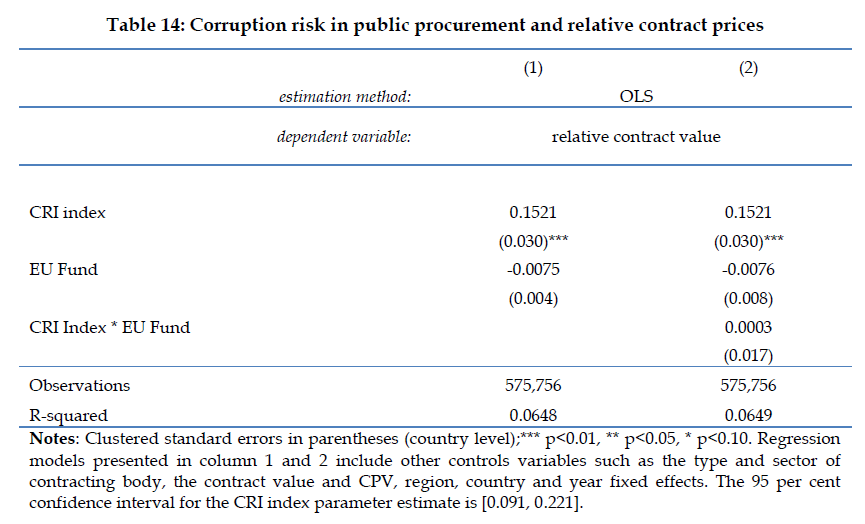
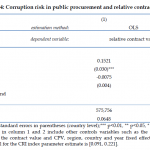
Corruption risk in public procurement and relative contract prices
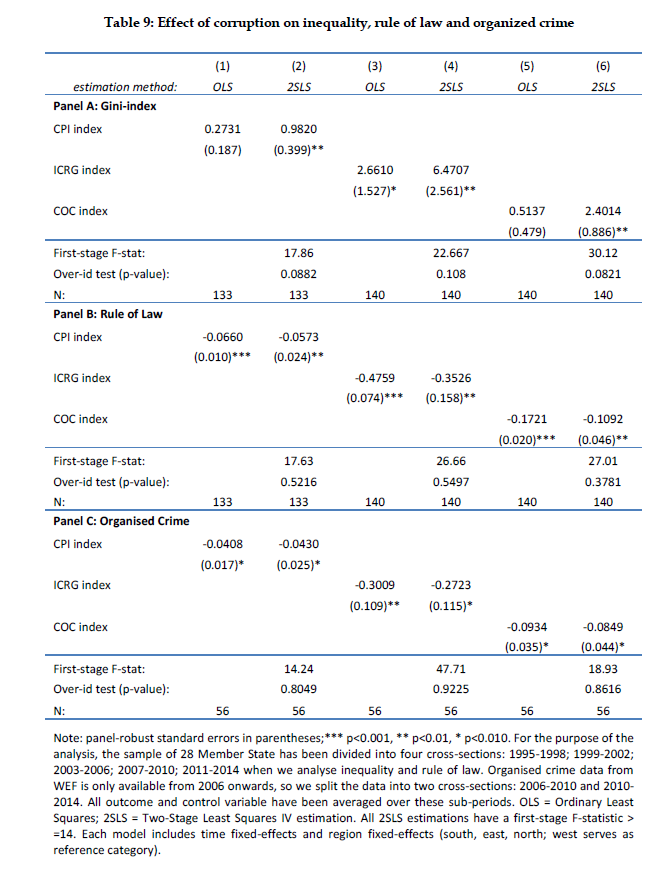
Effect of corruption on inequality, rule of law and organised crime
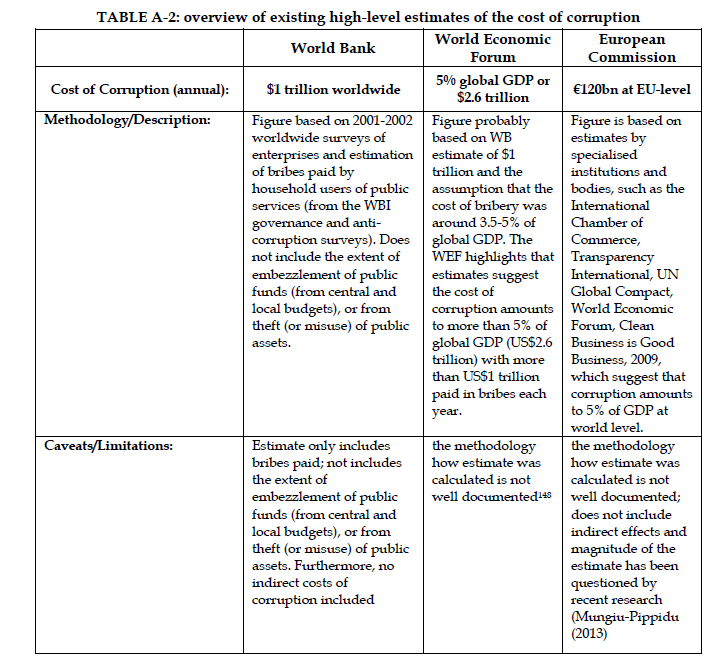
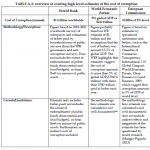
Overview of existing high-level estimates of the cost of corruption
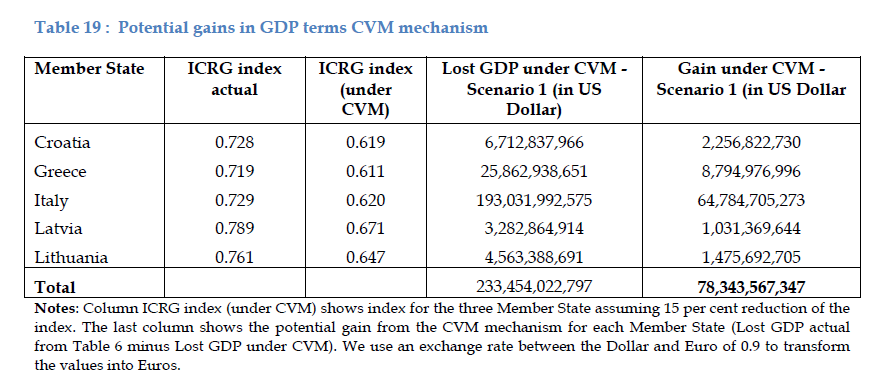
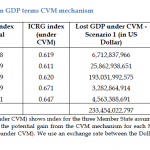
Potential gains in GDP terms CVM mechanism
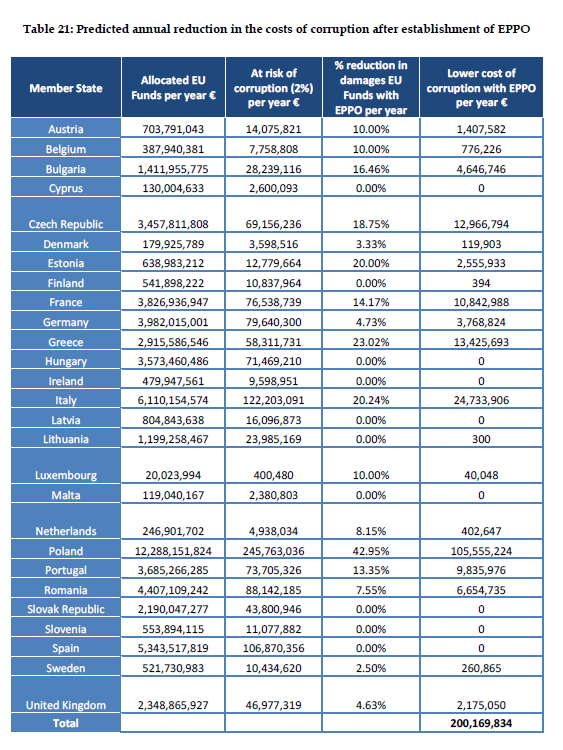
Predicted annual reduction in the costs of corruption after establishment of EPPO
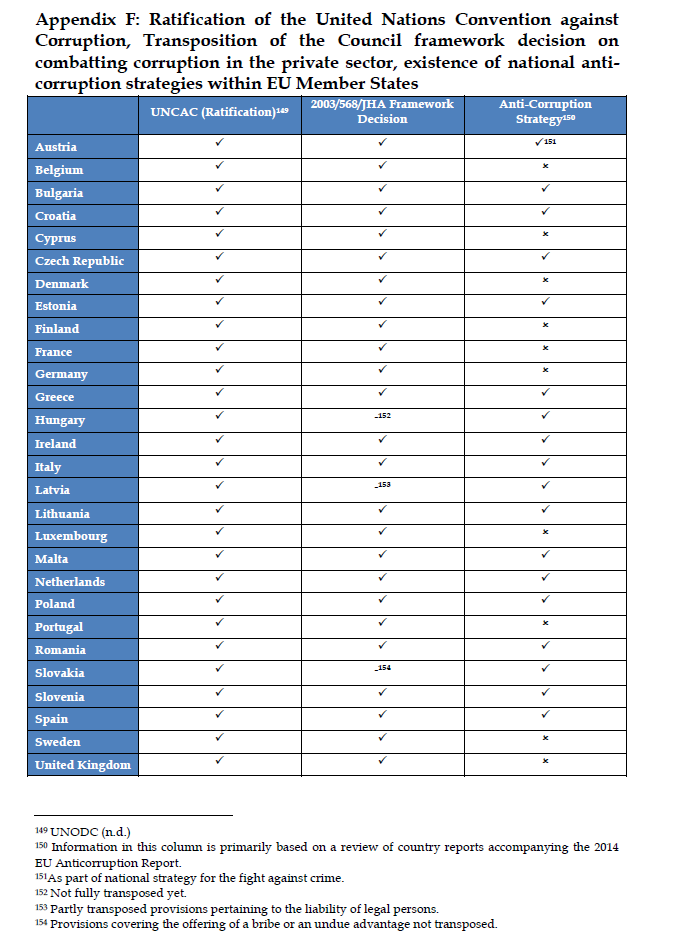
Ratification of the United nations Convention against corruption, transposition of the Council framework decision on combatting corruption in the private sector
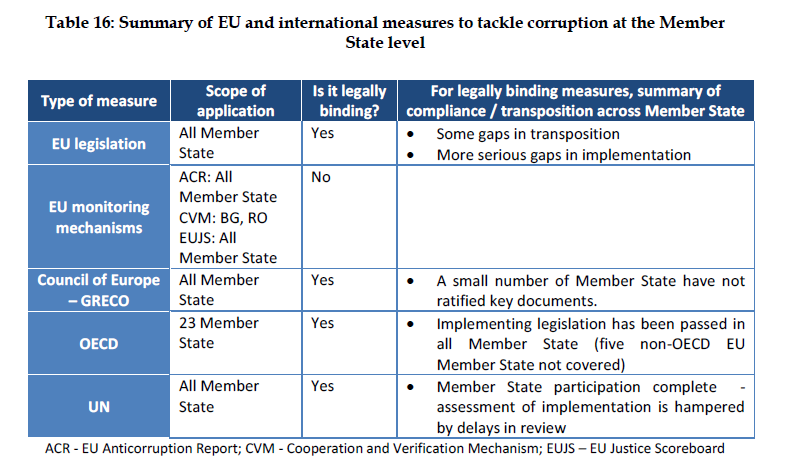
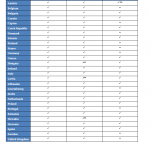
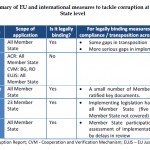
Summary of EU and international measures to tackle corruption at the Member State level
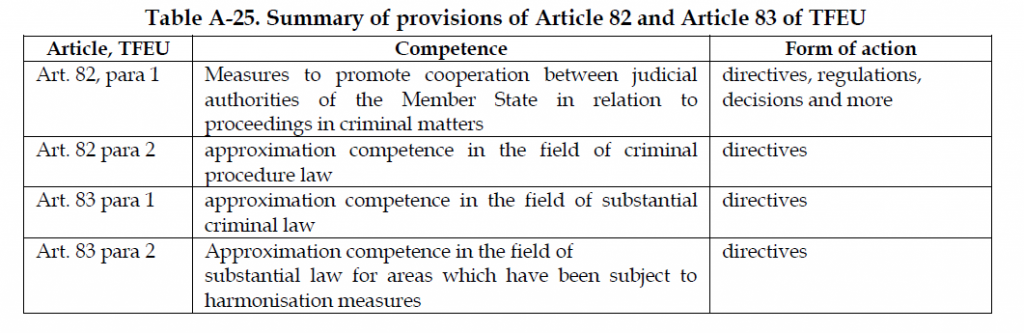
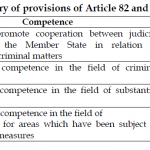
Summary of provisions of Article 82 and Article 83 of TFEU
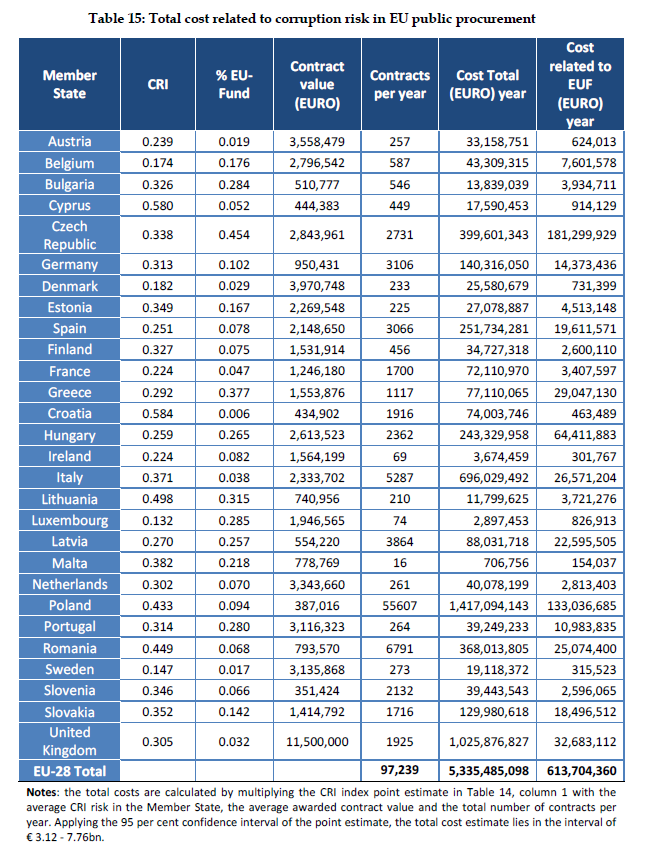
Total cost related to corruption risk in EU public procurement
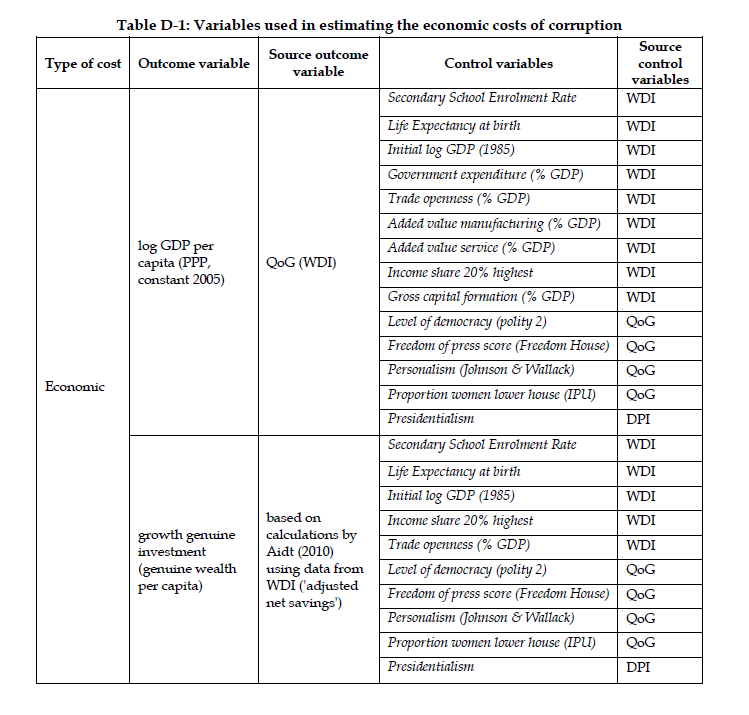
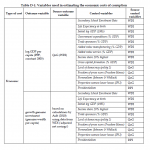
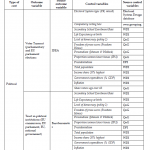
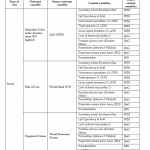
Variables used in estimating the economic costs of corruption
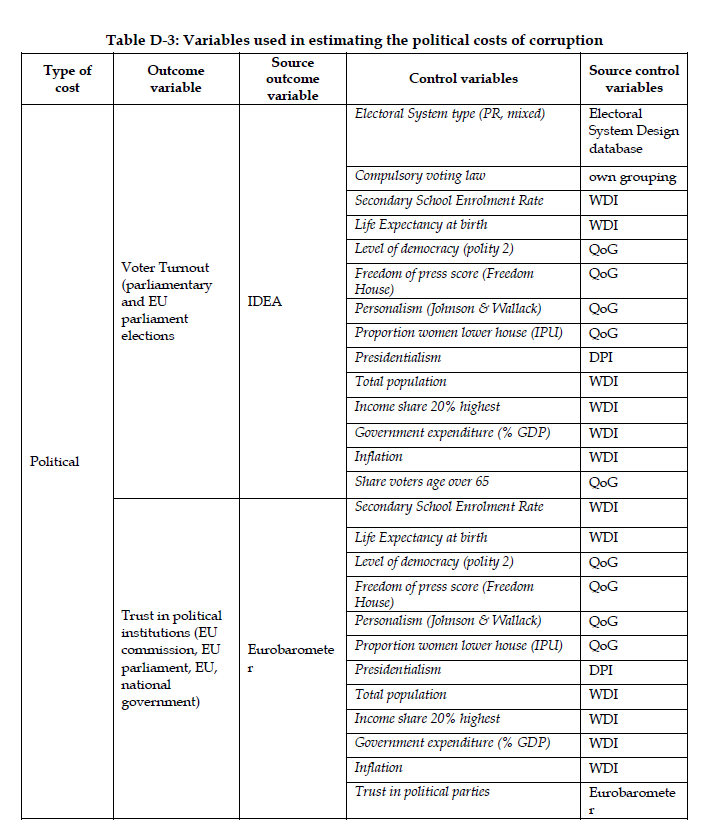
Variables used in estimating the political costs of corruption
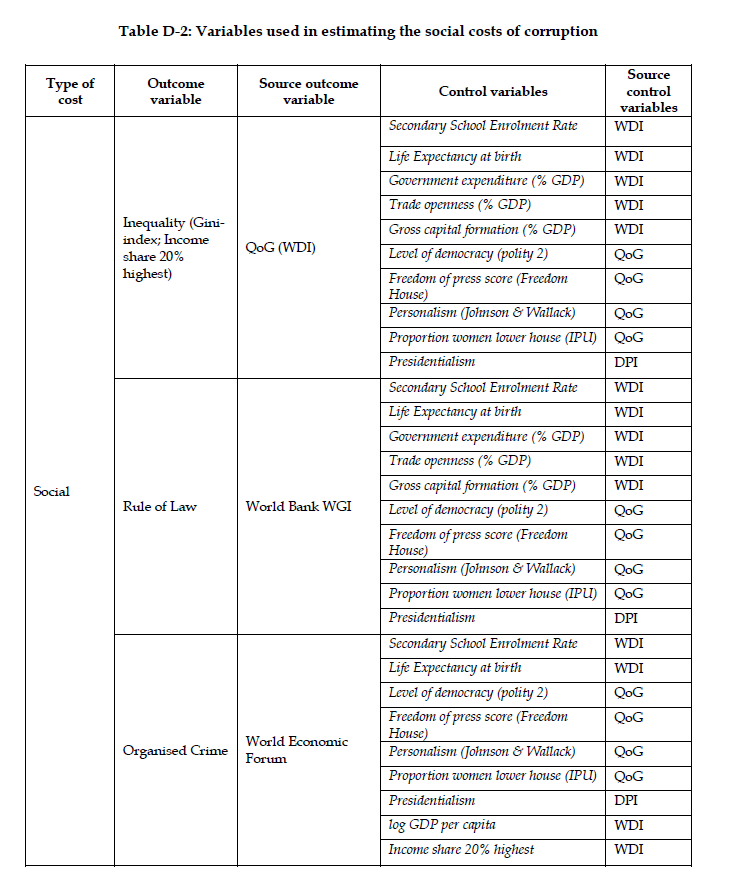
Variables used in estimating the social costs of corruption
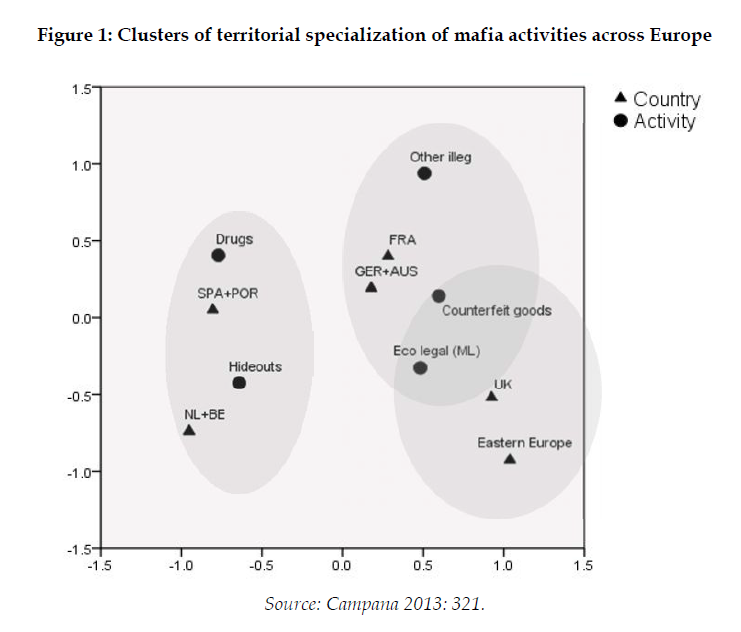
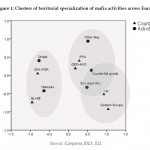
Clusters of territorial specialization of mafia activities across Europe
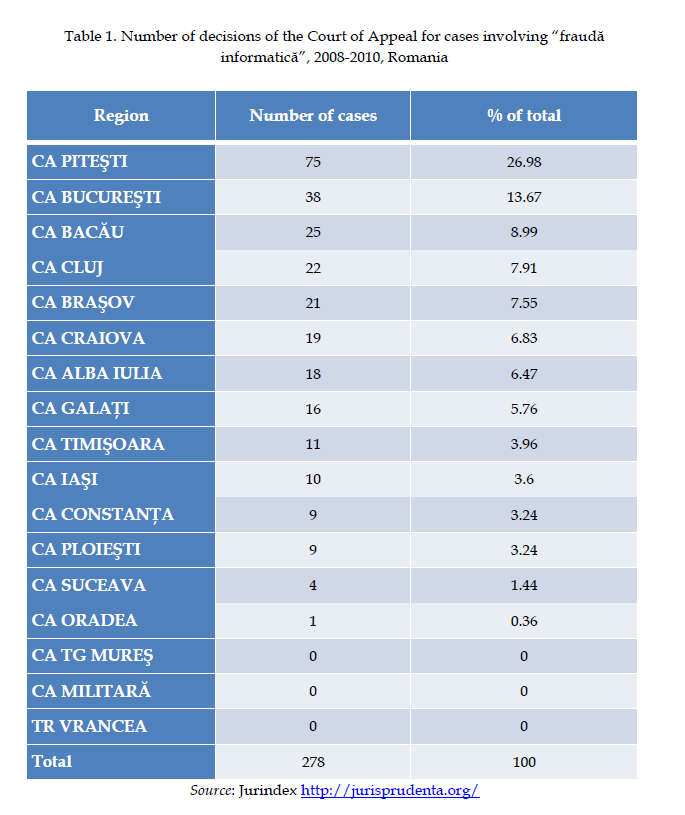
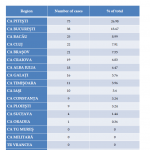
Number of decisions of the Court of Appeal for cases involving frauda informatica, 2008-2010, Romania
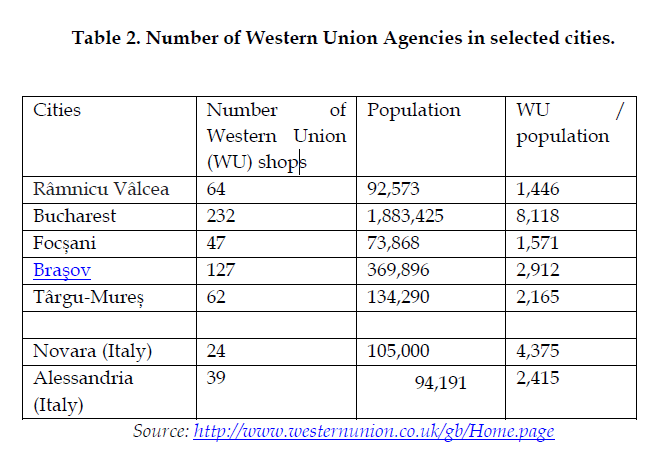
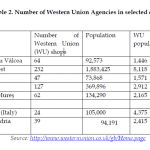
Number of Western Union Agencies in selected cities
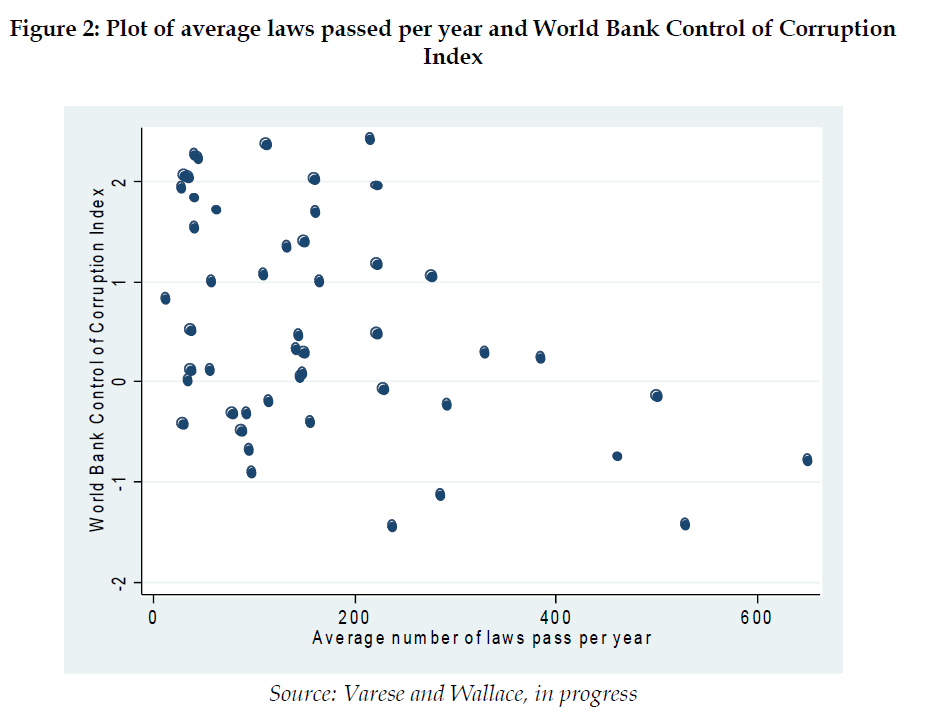
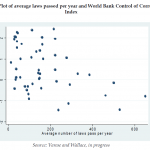
Plot of average laws passed per year and World Bank Control of Corruption Index
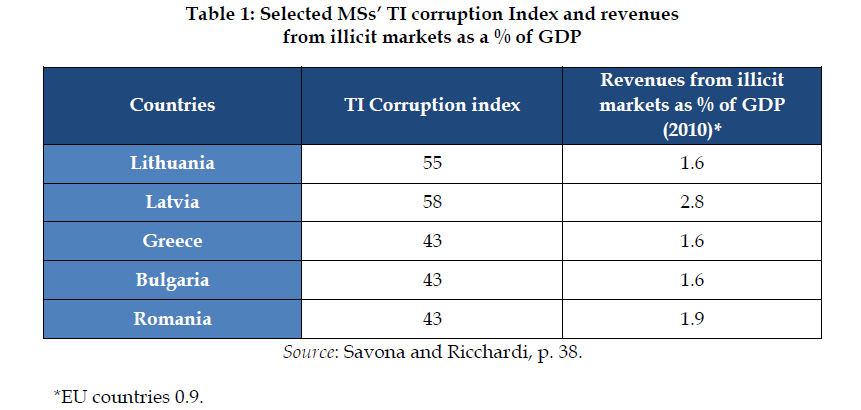
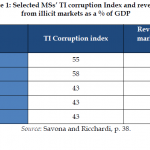
Selected MSs’ Transparency International corruption Index and revenues from illicit markets as a % of GDP
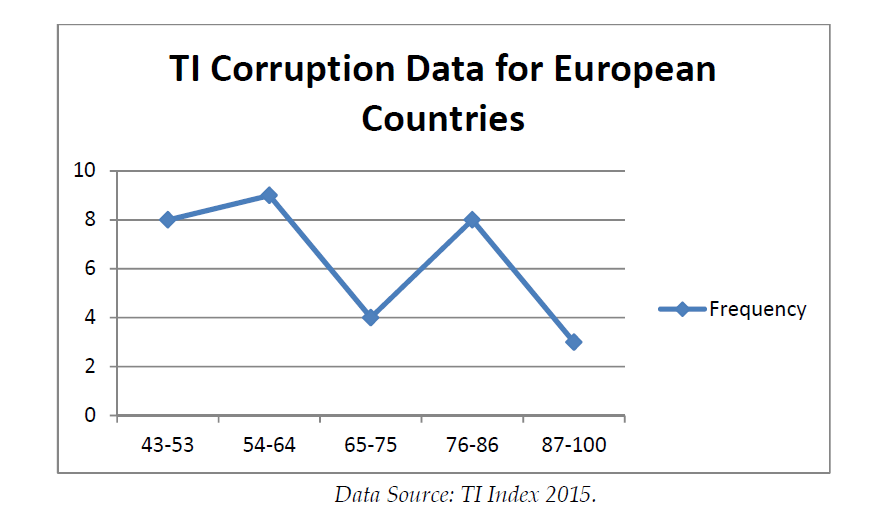
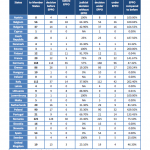
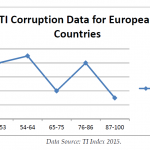
Transparency International corruption data for European countries
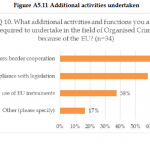
Additional activities undertaken
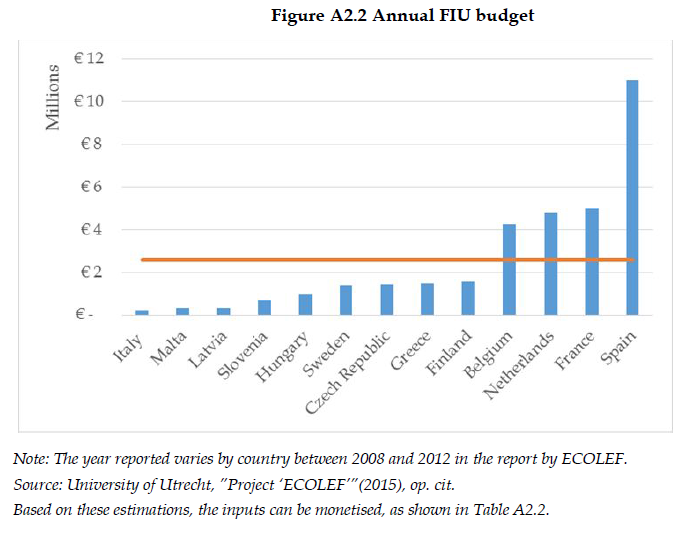
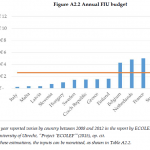
Annual FIU budget
AROs according to their location-affiliation in the EU Member States (35 in total)
AROs according to their location-affiliation in the EU Member States
Assessment of OC cases with a cross-border dimension among all the workload
Awareness of cross-border cooperation tools
Awareness of cross-border cooperation, depending on training attendance
Case study 1 on asset recovery and confiscation
Comparison of costs between EU and national tools
Conceptual model of the SOCTA methodology
Cost and drivers for additional activities (number of responses per activity)
Cost per STR filled in and per STR sent to law enforcement officers
Costs (inputs) of EMPACT
Degree of collaboration with different institutions
Estimated labour costs
Estimated number of staff required to run an ARO
EU agencies and networks in EU OC policy
EU agencies and networks in EU OC policy
Eurojust budget and JITs
Eurojust JIT funding (December 2009-August 2014)
FIUs according to their location and affiliation in the EU Member States
FIUs across the EU according to their affiliation
Impact of the EU-led intervantions on criminal asset recovery
Importance of EU instruments for enabling cross-border cooperation
Inbound and outbound requests for information – UK AROs
Indicators for a building-blocks approach on FIUs and AROs
Indicators for a building-blocks approach on JITs and EIOs-EAWs
Inputs of costs for JITs
JITs as a proportion of the total number of cases in 2013
JITs as a proportion of the total number of cases in 2014
Main cost drivers for additional activities (%)
Minimum identifiable direct economic costs of OC
Most relevant forms of cooperation
Number of JITs per crime priority
Number of respondents by area of expertise
Number of respondents by country of employment
Number of respondents by professional category
Number of staff (full-time equivalent) of the FIU, per country
Number of STRs filled in and sent to law enforcement and the number of cases initiated by law enforcement agencies
Number of STRs filled in by Member States, 2010
Overview of 2015 financial support provided by Europol for operational meetings per EMPACT project
Overview of 2015 grants provided by Europol to EMPACT projects under operational action plans and the Member States involved
Overview of ARO inputs
Overview of FIU inputs
Participation in training on cooperation tools to fight OC
Perceived added value in fighting financial crime
Perceived importance of EU-level cooperation
Perceived value of information sharing in daily work
Professional composition of the JITs Network (in total 65 members)
Proportion of cases brought to prosecution from ILEIs and STRs
Respondent who quantified the benefits
Respondents by type of institutional affiliation
Share of respondents able to quantify the benefits of cross-border cooperation (%)
Share of respondents to the question on the number of cases involving a cross-border dimension (%)
Threat risk model
Types of FIUs in the EU
Types of reports in Europe
Types of respondents among the law enforcement community
Actions transferred to Member States and subsequent judicial decisions and convictions before EPPO and after EPPO
Average corruption levels across EU-28 (1995-2014)
Correlation between e-government index (EDI) and public procurement corruption risk index (CRI)
Corruption and level of output (GDP per capita) EU-28 Member State
Corruption and level of output (rule of law) EU-28 Member State
Corruption and the rule of law – EU-28 Member State
Corruption risk across EU Member States
Corruption risk across EU NUTS-2 regions
Corruption risk across procurement sub-sectors
Corruption risk in public procurement and relative contract prices
Effect of corruption on inequality, rule of law and organised crime
Overview of existing high-level estimates of the cost of corruption
Potential gains in GDP terms CVM mechanism
Predicted annual reduction in the costs of corruption after establishment of EPPO
Ratification of the United nations Convention against corruption, transposition of the Council framework decision on combatting corruption in the private sector
Summary of EU and international measures to tackle corruption at the Member State level
Summary of provisions of Article 82 and Article 83 of TFEU
Total cost related to corruption risk in EU public procurement
Variables used in estimating the economic costs of corruption
Variables used in estimating the political costs of corruption
Variables used in estimating the social costs of corruption
Clusters of territorial specialization of mafia activities across Europe
Number of decisions of the Court of Appeal for cases involving frauda informatica, 2008-2010, Romania
Number of Western Union Agencies in selected cities
Plot of average laws passed per year and World Bank Control of Corruption Index
Selected MSs’ Transparency International corruption Index and revenues from illicit markets as a % of GDP
Transparency International corruption data for European countries
[…] details are also available in the study ‘Organised Crime and Corruption: Cost of Non-Europe Report’ published by the European Parliament Research Service (EPRS) on 23 March […]
[…] details are also available in the study ‘Organised Crime and Corruption: Cost of Non-Europe Report’ published by the European Parliament Research Service (EPRS) on 23 March […]
[…] citizens are right to be concerned by the considerable social and political costs of organised crime and corruption. Money laundering and wildlife crime are not only damaging to society and the planet, but are also […]
[…] rule of law and fundamental rights, ensuring a high level of security (notably in the fight against corruption, organised crime and terrorism), protecting external borders, guaranteeing the right to asylum and developing a […]
[…] rule of law and fundamental rights, ensuring a high level of security (notably in the fight against corruption, organised crime and terrorism), protecting external borders, guaranteeing the right to asylum and developing a […]

 This study demonstrates the need to tackle organised crime and corruption together as the two are in a mutually reinforcing relationship. Organised crime groups attempt to regulate and control the production and distribution of a given commodity of service unlawfully. In so doing, their aim is to bend the rules in their favour by corrupting officials. Corruption undermines the rule of law, which in turn provides more opportunities for organised criminals to expand their control over the legal economy and politics or even to take over governance tasks in regions and communities.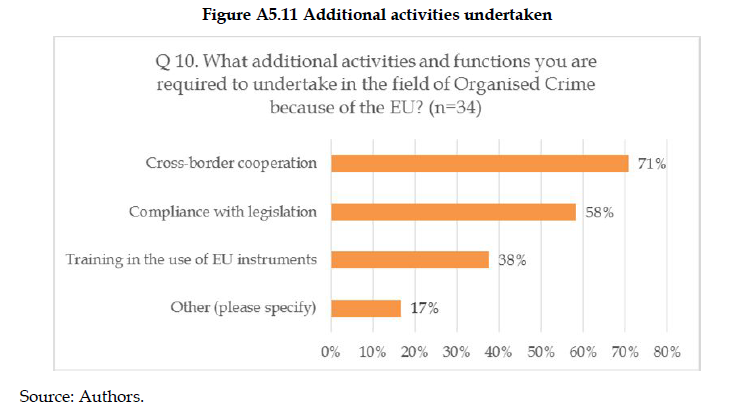




[…] Read Full Article: Organised Crime and Corruption: Cost of Non-Europe Report | European Parliamentary Research Service … […]
[…] details are also available in the study ‘Organised Crime and Corruption: Cost of Non-Europe Report’ published by the European Parliament Research Service (EPRS) on 23 March […]
[…] details are also available in the study ‘Organised Crime and Corruption: Cost of Non-Europe Report’ published by the European Parliament Research Service (EPRS) on 23 March […]
[…] citizens are right to be concerned by the considerable social and political costs of organised crime and corruption. Money laundering and wildlife crime are not only damaging to society and the planet, but are also […]
[…] rule of law and fundamental rights, ensuring a high level of security (notably in the fight against corruption, organised crime and terrorism), protecting external borders, guaranteeing the right to asylum and developing a […]
[…] rule of law and fundamental rights, ensuring a high level of security (notably in the fight against corruption, organised crime and terrorism), protecting external borders, guaranteeing the right to asylum and developing a […]